April, 2026
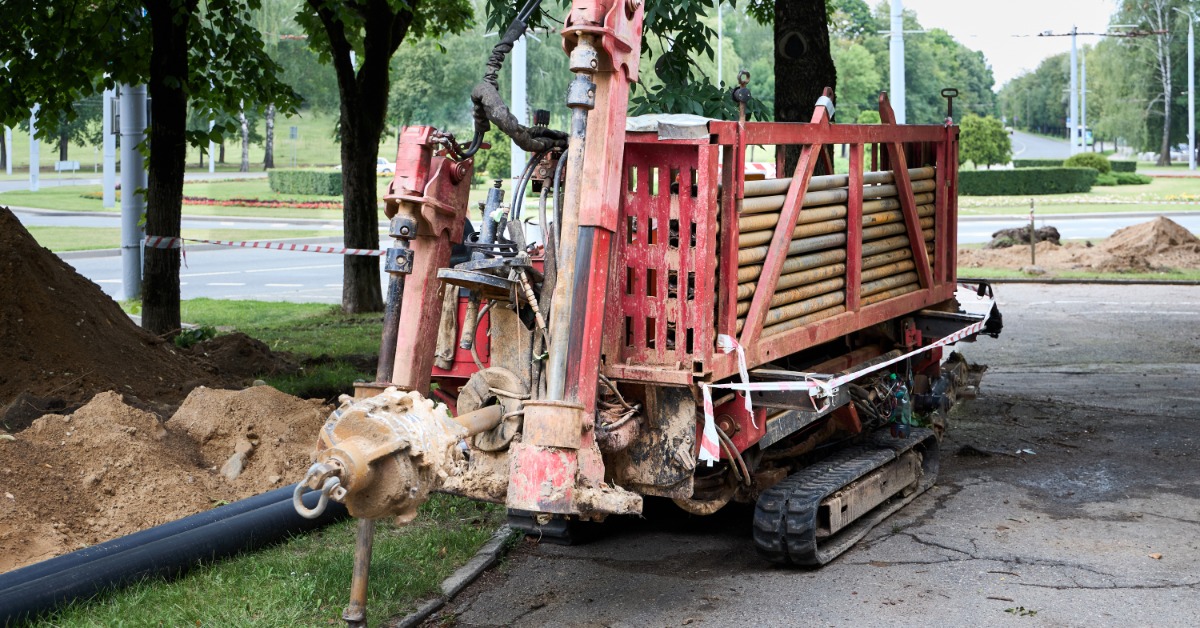
Equipment that does not match the job site conditions often leads to slower drilling, increased wear, and higher operating costs that cut into margins. Contractors who evaluate key factors before selecting a rig put themselves in a better position to complete jobs without unnecessary setbacks. This guide breaks down the most important considerations to help contractors confidently choose the right HDD rig for their job-site conditions.
Soil conditions influence nearly every aspect of drilling performance, making them one of the first factors to evaluate. Soft soils, such as sand or loose clay, allow rigs to move quickly with less resistance, resulting in lower torque and pullback requirements. In contrast, dense clay, cobble, or rocky ground creates more resistance and requires higher torque and stronger pullback capacity to maintain steady progress.
Contractors who overlook soil conditions often experience slower drilling speeds and increased tooling wear. These issues can lead to delays and higher maintenance costs over time. Taking the time to understand the ground conditions allows crews to select a rig that can handle the workload without placing unnecessary strain on the equipment.
Contractors need to size the rig based on the specific demands of the bore, not simply choose what is available or familiar. Start by looking at bore length and pipe diameter, since both directly affect the power and capacity required to complete the job efficiently. Compact rigs handle shorter bores and smaller pipe well, especially when maneuverability and lower operating costs are key on tight job sites.
As bore length and pipe size increase, the rig must deliver sufficient power and capacity to maintain steady progress without slowing. Choosing a rig that is too large can drive up fuel costs and extend setup time, while a rig that is too small may struggle to keep pace and reduce overall efficiency. Selecting the right size helps crews maintain consistent production, manage operating costs, and complete the job without placing unnecessary strain on the equipment.
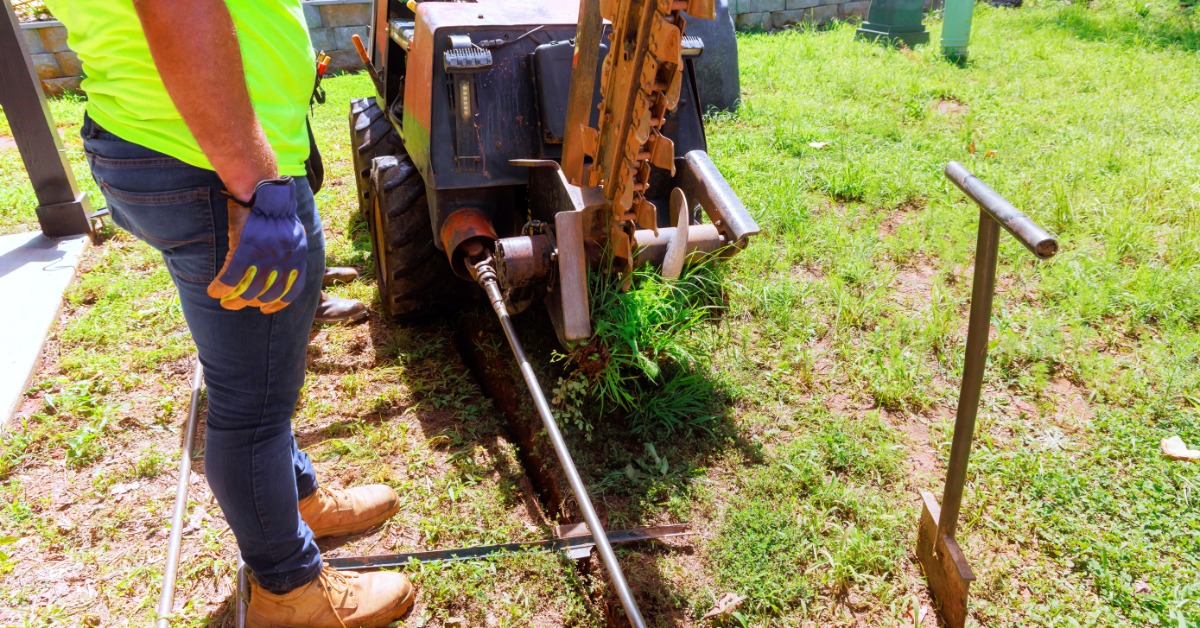
Contractors need to evaluate how much space the jobsite actually provides before selecting a rig. Tight urban or residential areas often limit access, restrict setup, and make it difficult to operate larger equipment safely. In these conditions, compact rigs allow crews to move efficiently, position equipment more easily, and keep the job progressing without constant adjustments.
More open job sites give crews the flexibility to use larger rigs that deliver higher output and handle more demanding installations. Even with more space, contractors should still plan layout, access points, and staging areas to avoid slowdowns. When crews match the rig to the available space, they improve efficiency and reduce the risk of delays once work begins.
Pullback force determines whether a rig can complete the installation phase without interruption. As pipe diameter increases and bore lengths extend, resistance builds, especially in tougher soil conditions. A rig that cannot handle that resistance will struggle to maintain progress and may place unnecessary strain on the equipment.
Contractors should evaluate pullback needs based on a few key factors:
When pullback capacity aligns with these conditions, crews can complete installations more efficiently and avoid delays. This step helps maintain steady performance and reduces the risk of issues during critical phases of the job.
Torque allows the drill to cut through the ground and maintain a steady bore path, especially in dense or inconsistent soil conditions. Softer soils require less torque, but mixed ground or rocky conditions demand higher output to keep drilling efficient. Rigs that lack sufficient torque often slow down under pressure, increasing wear on drill components and reducing overall productivity.
When contractors consider how to choose the right HDD rig for job-site conditions, torque is one of the most important factors to evaluate. A rig with the right torque capacity can handle varying ground conditions without compromising performance, which helps crews stay on schedule and avoid unnecessary strain on equipment.
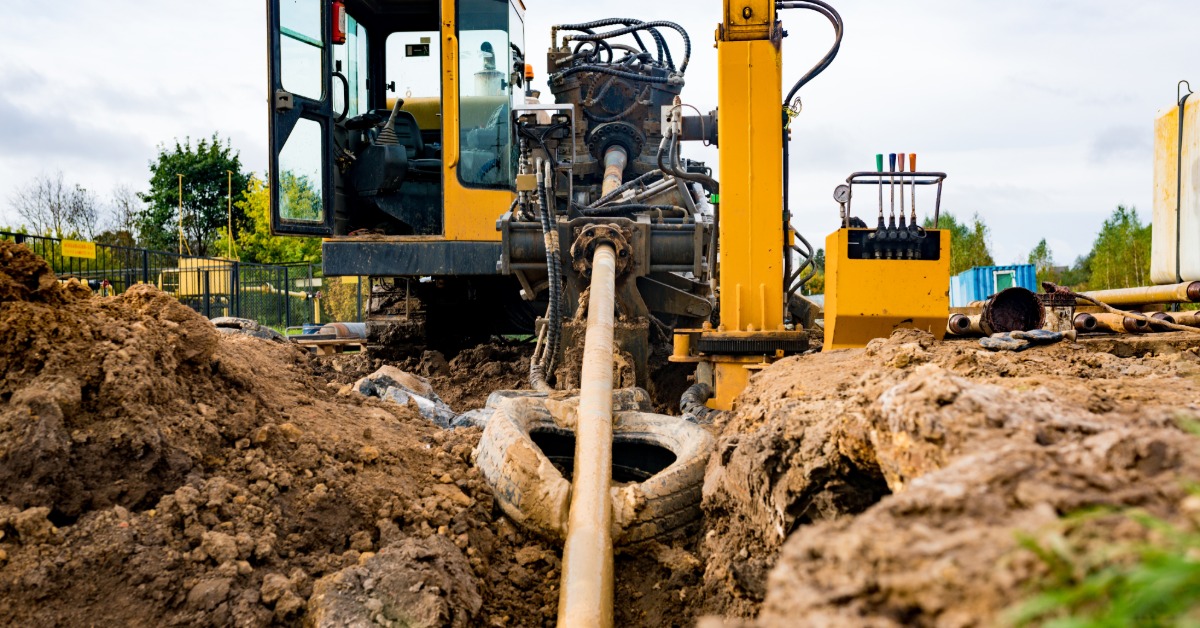
Drilling fluid plays a key role in keeping the bore stable and clearing cuttings as crews advance. Contractors need to match fluid flow to the soil conditions on site, since each type of ground responds differently. For example, sandy soils require higher flow rates to keep material moving out of the bore, while clay needs a more controlled approach to prevent buildup and maintain steady progress.
Choosing a rig with the right fluid capacity helps crews avoid slowdowns and maintain consistent performance throughout the job. When fluid management aligns with soil conditions, crews protect bore quality, reduce the risk of blockages, and keep the operation moving without interruption.
Transportation and setup requirements can impact both the timeline and overall cost of a project. Larger rigs often require specialized transport, additional planning, and more time to set up once they arrive on site. These factors can slow down project start times, especially in areas with limited access or strict regulations.
Smaller rigs offer easier transport and quicker setup, making them a practical choice for shorter or fast-moving projects. Contractors should plan how they will transport equipment to the jobsite and how quickly crews can put it into operation.
Different projects require varying levels of control and precision. Basic jobs may only require standard controls and functionality, while more complex crossings benefit from advanced systems that improve accuracy and efficiency. Features such as tracking integration and improved operator controls can help crews maintain consistency throughout the drilling process.
Focusing on the features that directly support the work keeps operations efficient and avoids adding unnecessary cost or complexity. This approach helps crews stay productive while using equipment that fits the job, not the other way around.
Reliable equipment plays a direct role in keeping projects on schedule and avoiding costly interruptions. Before selecting a rig, contractors need to review maintenance history and inspect key components to confirm the machine can handle job demands. Equipment in good condition performs more consistently and allows crews to move through critical phases without unexpected delays.
Refurbished rigs can offer strong value when they receive proper inspection and servicing. When contractors prioritize condition and reliability, they reduce the risk of downtime and ensure the equipment can support steady, long-term performance.
Choosing the right HDD rig requires a clear understanding of job-site conditions and how they affect equipment performance. We have used directional boring machines that are perfect for contractors who need reliable equipment for upcoming projects. Our inventory includes rigs suited for different job-site conditions, making it easier to find the right fit. The right equipment supports both immediate job success and long-term business growth.
SHARE
Got a question? Our support team will go the extra mile so you can have an easy and enjoyable experience with MTI.
Contact Us© 2026, MTI Equipment - All Rights Reserved.