April, 2026
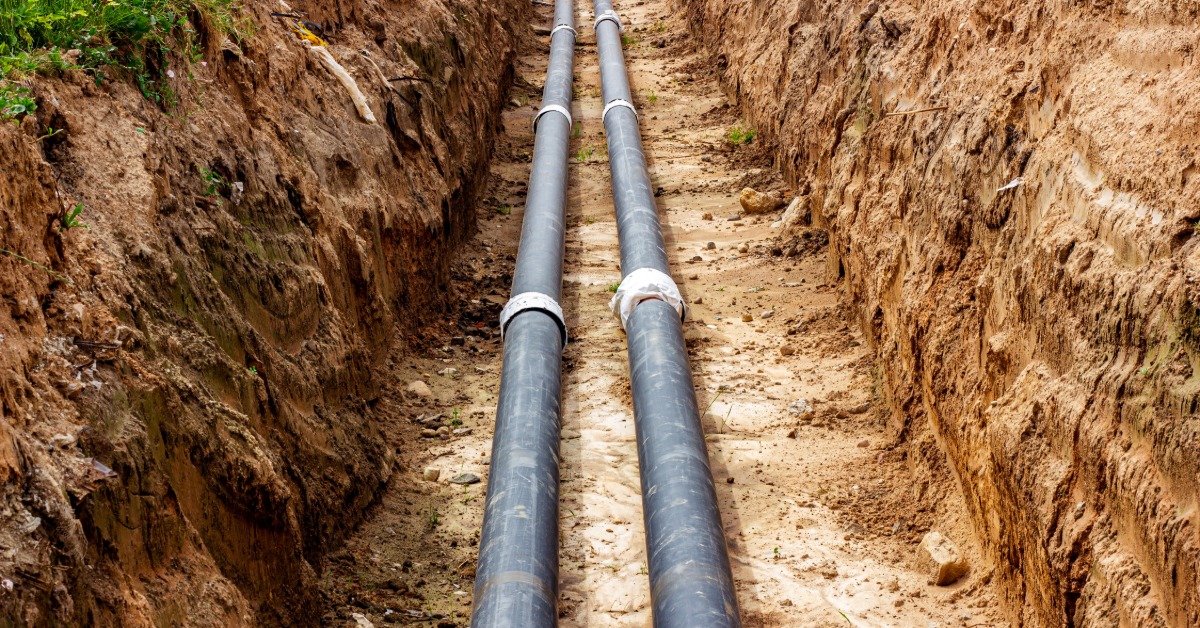
Every excavation or drilling project carries risk below the surface. Crews often work around buried infrastructure that supports water, gas, power, and communications. A single mistake can damage critical lines, delay the project, and pose serious safety hazards to everyone on site.
Careful planning reduces those risks and keeps work moving forward without disruption. When crews take time to identify underground utilities before breaking ground, they avoid costly setbacks and protect both equipment and personnel. That preparation starts with understanding the most reliable methods for locating utilities before digging.
Calling 811 sets the foundation for safe excavation. This service connects contractors with utility owners, who then mark public lines directly on the jobsite. Crews can clearly see where major utilities run, which helps guide equipment positioning and drilling paths.
However, 811 markings do not show every buried line. Private utilities and newer installations often remain unmarked, which creates gaps in what crews can see. Contractors should use 811 as a starting point, then follow up with additional locating methods to confirm all underground conditions.
Project records give crews a starting point for understanding what may lie underground. Site plans, permits, and as-built drawings often show where utilities were originally installed, which helps crews identify likely utility corridors and plan entry and exit points.
These records rarely reflect every change made over time. Repairs, reroutes, and undocumented installations can leave critical gaps in the information. Crews should use records to guide early planning, then verify those details in the field before making any drilling or excavation decisions.
Ground penetrating radar (GPR) helps crews locate buried utilities that do not carry a signal, such as PVC, clay, or concrete lines. The system sends radar pulses into the ground and measures how those signals reflect, allowing operators to identify changes in subsurface materials and spot potential utility paths.
Crews often use GPR when markings seem incomplete or when records leave gaps. It works best as a scanning tool to highlight possible utility zones before excavation begins. Since soil conditions and moisture levels affect signal clarity, trained operators must interpret the data carefully to avoid misreading the results.

Electromagnetic locating equipment allows crews to actively trace the path of buried utilities, especially metal pipes and energized cables. Operators connect a transmitter to a known access point, such as a valve, meter, or exposed line, then send a signal through the utility. A receiver above ground picks up that signal and maps the utility’s direction across the site.
Crews use this method when they need to follow a specific line over a distance, such as tracking a gas main or locating a power conduit before drilling. It works best when the signal remains strong and uninterrupted, making proper grounding and setup critical. When crews combine electromagnetic locating with other methods, they can confirm both the path and position of key utilities with greater confidence
Potholing allows crews to physically expose a utility at a precise location before drilling or trenching. Operators use hydro or air excavation to remove soil in a controlled way, uncovering the line without damaging it. This process gives crews a clear view of the utility’s exact depth, size, and alignment.
Crews typically pothole at planned crossing points, tie-in locations, or areas where multiple utilities run close together. Instead of relying only on markings or signals, they confirm real-world conditions before moving forward. This step helps prevent costly hits and gives drill operators the information they need to adjust their approach accurately.
Some projects require more than standard locating methods. Crews often bring in professional utility locating services when working in congested areas, such as urban corridors or sites with overlapping utility lines. These specialists use advanced equipment and detailed scanning techniques to sort through complex underground layouts that basic tools may not clearly define.
Experts also step in when records conflict with field markings or when previous locates leave uncertainty. Instead of guessing, crews can rely on verified data to adjust bore paths or excavation plans before work begins. This added precision helps prevent utility strikes and keeps projects moving without unexpected interruptions.
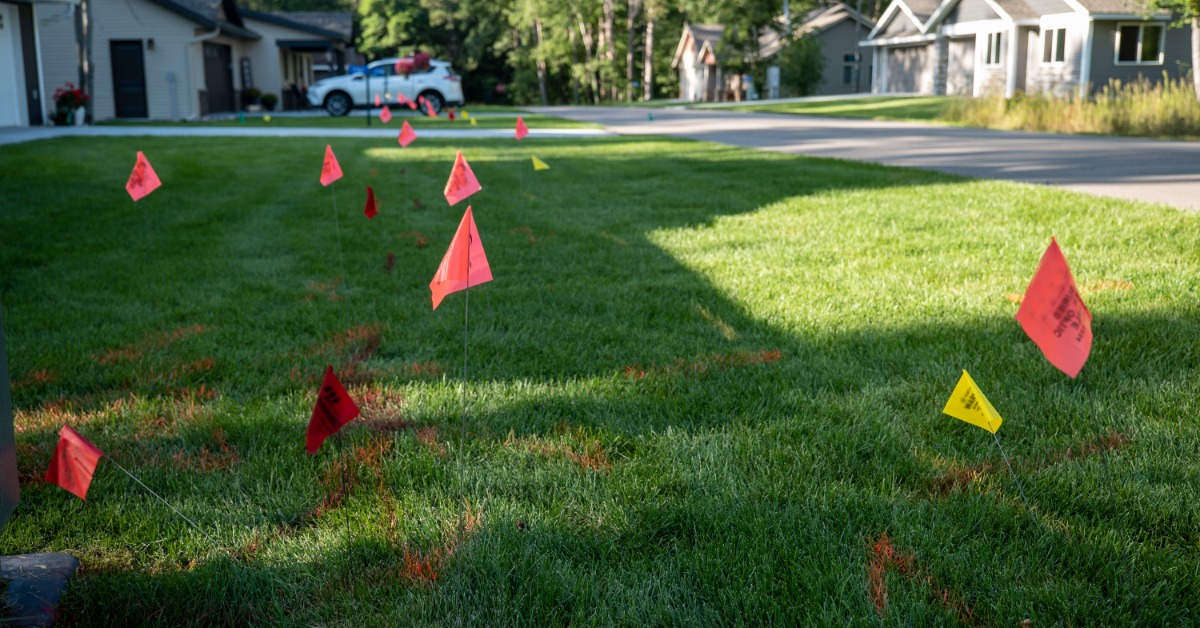
A careful walk-through of the jobsite can reveal important clues. Surface features often indicate what lies beneath, even before crews use specialized equipment. Crews should pay attention to visible markers and signs of previous work. Some things to watch for include the following:
These observations help crews focus their locating efforts and identify areas that need closer attention.
Direct communication with utility providers helps crews resolve specific conflicts in the field. When site markings differ from maps or when a planned bore path crosses a marked line, crews can contact the utility owner to confirm the exact location, depth, and type of utility in that area. This step gives operators more precise information before they move forward.
Utility providers can also flag recent installations, service lines, or known problem areas that may not appear in standard locate reports. Crews can use that input to adjust bore paths, plan potholing locations, or avoid high-risk zones altogether. Clear communication keeps everyone aligned and reduces the chance of unexpected issues during excavation.
The methods for locating utilities before digging often include using tracer wires on newer installations. Contractors install these wires alongside buried utilities so crews can trace the exact path using electromagnetic locating equipment. This setup allows operators to follow the line more accurately, even when the utility itself does not carry a strong signal.
Crews should confirm the presence of tracer wires before starting work, especially on newer job sites. When available, they can connect directly to the wire and trace the utility’s path across the site with consistent signal strength. This approach reduces guesswork and gives crews a reliable way to verify utility locations before drilling or excavation begins.
Working with dependable equipment also strengthens those results. MTI Equipment supports contractors with quality solutions that help crews stay productive in demanding conditions. Gear such as our used hydrovacs simplifies excavating when crews need to expose utilities quickly and with control.
Reliable utility locating supports safer and more efficient drilling operations. Crews that prepare properly protect their equipment, maintain project timelines, and reduce the risk of unexpected issues. Connect with the team today to find the right equipment for your next project and keep your operation moving forward with confidence.
SHARE
Got a question? Our support team will go the extra mile so you can have an easy and enjoyable experience with MTI.
Contact Us© 2026, MTI Equipment - All Rights Reserved.