September, 2026
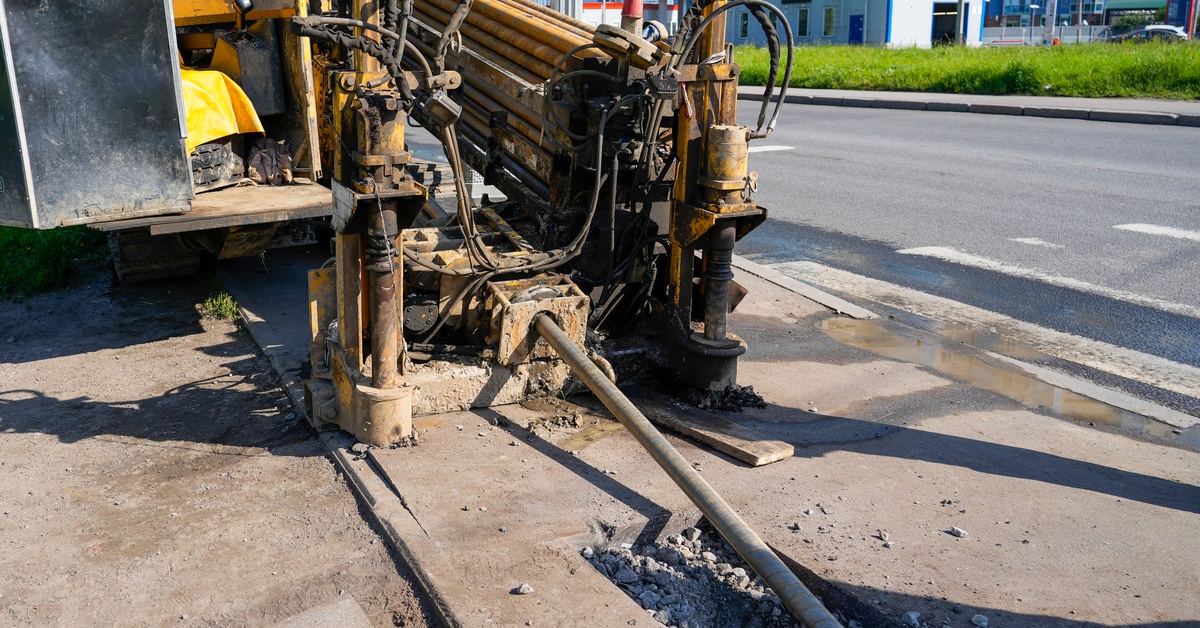
Directional drilling gives contractors a way to install underground utilities while limiting how much of the surface they disturb. Instead of opening a continuous trench across a project area, crews can guide a bore underground between planned entry and exit points. That approach can be especially valuable when work must pass beneath roads, waterways, landscaped property, or other sensitive areas. Understanding how directional drilling helps protect the environment starts with looking at how a smaller surface footprint can reduce disruption while still allowing essential utility work to move forward.
Traditional open-cut installation requires crews to excavate along much of the utility route. Directional drilling changes that approach by allowing the drill path to travel below the surface for much of the installation. Crews still need appropriate work areas for the drill, support equipment, and product pipe, but they can avoid opening the entire alignment.
Less surface excavation can help preserve existing ground conditions. On suitable projects, contractors may be able to leave more vegetation, pavement, and developed property in place.
A smaller disturbance zone can also help crews keep the project concentrated in designated work areas. However, the method gives experienced contractors more control over where surface activity occurs.
Water crossings often make utility installation more complex. Open excavation near a stream, drainage channel, or similar feature can require significant surface work. Directional drilling can allow crews to design a bore that passes beneath the feature instead of cutting directly through it.
This approach may reduce the need to place excavation equipment in or immediately alongside the crossing. It can also help preserve the banks and surrounding surface when project conditions support an underground bore.
Proper monitoring is particularly important near environmentally sensitive areas. Crews need to watch drilling pressures and returns while following the bore plan. Directional drilling offers environmental advantages only when contractors pair the method with sound operating practices.
Utility routes frequently cross lawns, commercial landscaping, parks, or other areas where surface conditions matter. A long trench can remove vegetation along the installation path and create a larger restoration area. Directional drilling can reduce that direct disturbance by keeping much of the bore below ground.
Entry and exit locations still require space, and crews need room to operate safely. Even so, thoughtful bore planning can help keep activity away from portions of a site that crews do not need to open.
Preserving more of the existing surface may also simplify post-project restoration. Contractors can focus repairs on the areas that actually supported drilling operations rather than rebuilding an entire trench line. The result can be a cleaner project footprint when site conditions are appropriate for HDD.
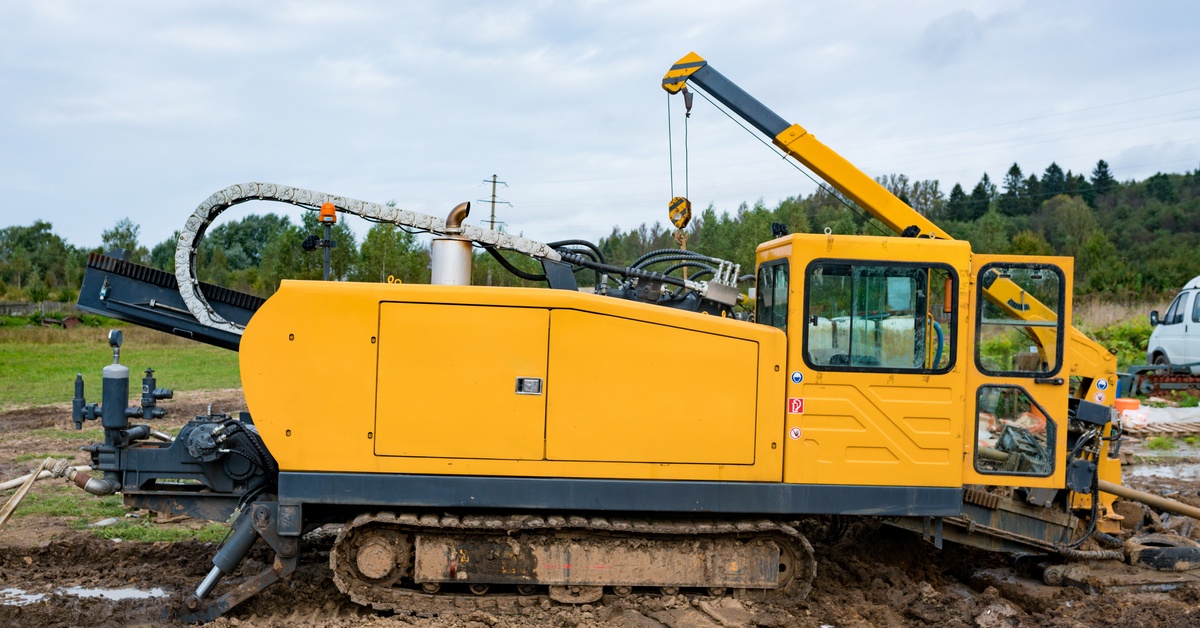
Roads and paved areas present another common challenge for underground utility contractors. Open-cut work may require pavement removal along the installation route, followed by repair once the utility is in place. Directional drilling can often pass beneath pavement without excavating across the full roadway.
Avoiding a continuous surface cut can reduce the amount of pavement that crews must remove and replace. It can also limit the construction footprint around driveways, parking areas, or other hard surfaces. That reduction in demolition and restoration supports the broader goal of disturbing only what the project requires.
Contractors must consider bore length, ground conditions, utility locations, and machine capabilities. Environmental protection works best when equipment selection supports a controlled bore rather than forcing a machine into an unsuitable application.
Directional drilling encourages contractors to think carefully about the underground path before drilling begins. A successful bore depends on locating existing utilities, evaluating site conditions, and choosing entry and exit points that support the planned installation. Those decisions can also help crews identify areas where they should minimize surface disturbance. That control can support thoughtful work around sensitive surface features.
Spoils, drilling fluid, equipment traffic, and staging still require responsible management. Contractors should plan how to contain materials and how to maintain the site throughout the job.
This focused approach can help crews avoid unnecessary movement across the project area. When operators know the bore path and work zones in advance, they can keep activity organized around the spaces needed for the installation. That discipline supports both efficient work and responsible site management.
Drilling fluid plays an important role in many HDD operations. It can help carry cuttings from the bore, stabilize the hole, and support the drilling process. Because the fluid is part of the operation, contractors need procedures for mixing, monitoring, containment, and cleanup.
Crews should pay close attention to fluid returns throughout the bore. Unexpected losses or releases require prompt attention based on the project plan and site requirements.
Responsible fluid management reinforces the environmental benefits of trenchless installation. Directional drilling reduces certain forms of surface disturbance, but contractors still have to control the materials used underground. Experienced crews treat environmental protection as part of the drilling process rather than as a separate task after the bore is complete.
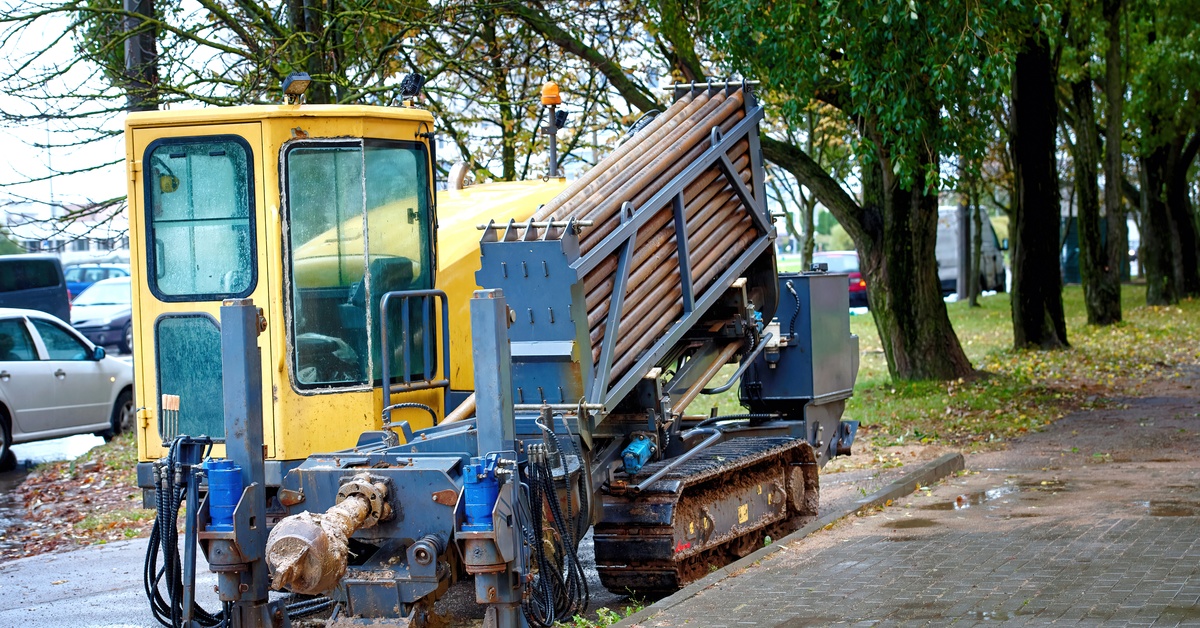
Environmental benefits depend partly on matching the directional drill to the work. A machine must provide appropriate capabilities for the planned bore while fitting the available jobsite space. Contractors should consider the installation requirements before selecting equipment.
An appropriately matched drill can help crews follow the intended bore plan with greater control. It can also support an efficient setup that keeps work areas focused.
Used and refurbished directional drills can give contractors options when they need equipment for upcoming work. Buyers should evaluate machine condition and specifications against their actual project needs. The goal is to choose equipment that supports safe operation and the intended installation method.
For contractors installing underground utilities, understanding how directional drilling helps protect the environment means minimizing unnecessary surface disruption while managing underground work responsibly. HDD can help limit excavation across landscapes and paved areas, and it can provide a practical way to route utilities beneath certain sensitive features. Those advantages depend on careful planning, proper drilling practices, and equipment that fits the job.
MTI Equipment offers certified pre-owned directional drilling machines for contractors who need HDD equipment for utility installation projects. Our team can help you identify equipment that supports efficient, responsible drilling on the jobsite. Explore our inventory to find the right equipment for your project.
SHARE
Got a question? Our support team will go the extra mile so you can have an easy and enjoyable experience with MTI.
Contact Us© 2026, MTI Equipment - All Rights Reserved.