October, 2026
Installing underground cable requires a method that matches the route, soil conditions, and project requirements. Cable plowing and trenching both place utilities below ground, but they approach excavation differently. Understanding the key differences between cable plowing vs. trenching helps contractors choose equipment that supports efficient installation without overlooking site limitations. Each method has advantages, and the right choice depends on what crews need to install and what lies beneath the surface. Matching the installation approach to the job can help avoid ground disturbance and downtime.
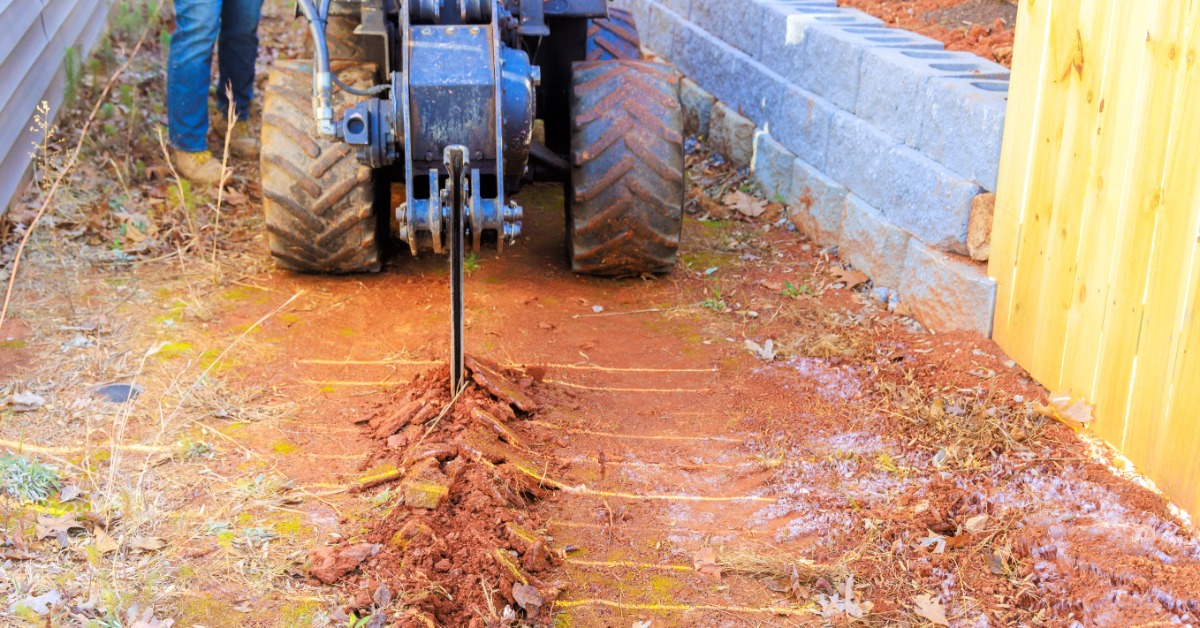
Cable plowing uses a narrow blade that moves through the ground while feeding cable or conduit into the opening behind it. As the machine advances, the surrounding soil generally closes around the installed material. Crews can complete a continuous installation without opening a full trench along the route.
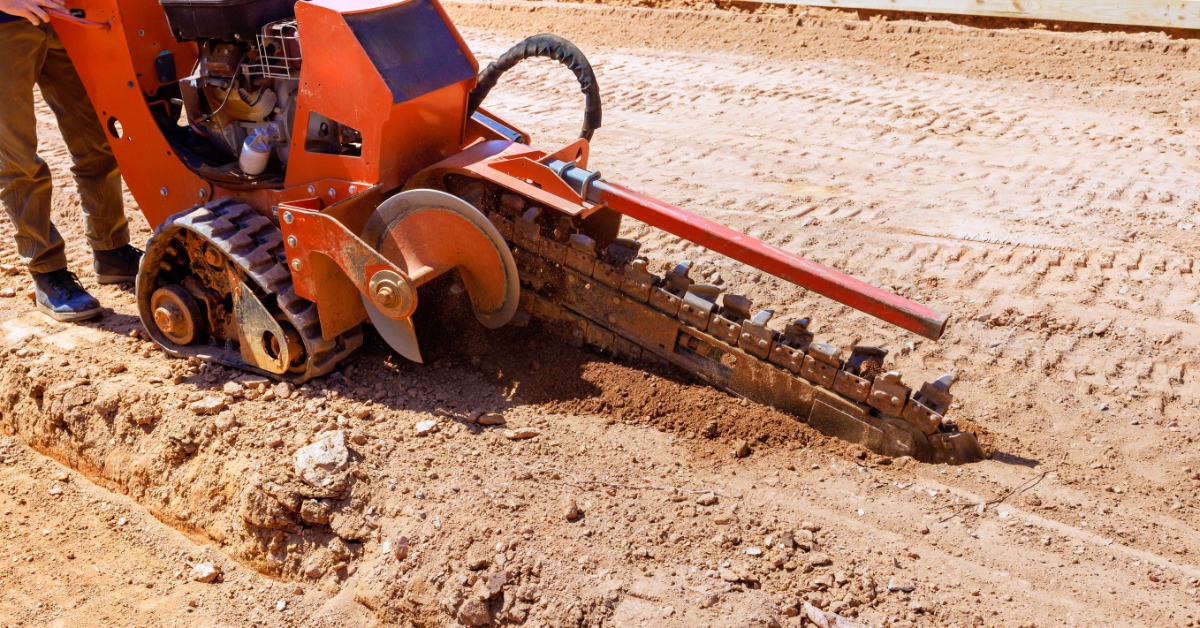
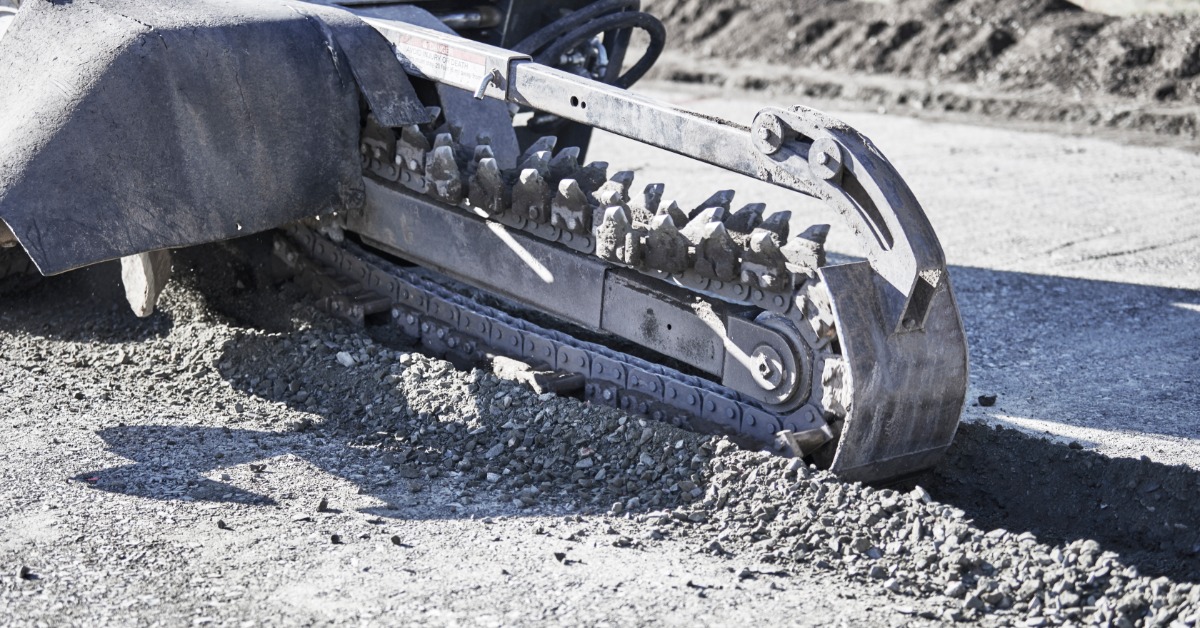
Trenching removes soil to create an open excavation. A trencher uses a digging chain or wheel, depending on the machine and application. Workers then place the cable or conduit at the required depth before backfilling the opening. This approach gives crews direct access to the installation path throughout the excavation process. It also allows them to adjust placement before closing the excavation.
The distinction matters because the equipment handles displaced soil differently. Plowing separates soil temporarily, while trenching brings excavated material to the surface for later handling.
Cable plowing typically creates less visible surface disruption on suitable routes. The blade cuts a narrow path, and crews may only need to address a small seam or localized ground movement afterward. This can make plowing attractive across lawns or open rights of way where surface restoration affects project schedules.
Trenching creates an open cut that requires backfilling and surface repair. Crews may need to restore turf or other disturbed areas after installation. Restoration needs increase when the route crosses finished surfaces or locations with strict appearance requirements.
However, plowing does not eliminate restoration entirely. Rocks, roots, and unsuitable soil can cause heaving or other surface damage. Contractors should assess site conditions rather than assume either method will leave the ground unchanged.
On long routes with consistent ground conditions, cable plowing can maintain steady progress. Because the machine places cable as it moves, operators avoid the separate steps of opening a trench and filling it afterward. That streamlined process can support strong production on appropriate projects.
Trenching often involves more stages. Operators excavate the route, crews position the installation, and workers backfill after completing the necessary checks. These activities can add time, particularly when material handling or restoration demands extra attention.
Production still depends on more than the installation method. Utility crossings, access restrictions, and changes in soil conditions can slow either operation. Trenching may be the better option for shorter routes with challenging site conditions, even when plowing offers faster installation speeds.
Cable plowing works best where the ground allows a blade to travel at a controlled depth. Relatively consistent soil and a clear route help operators maintain placement. Dense rock or large buried obstructions can interrupt progress and prevent reliable installation.
Trenchers offer different cutting configurations for varying ground conditions. Some machines can work through tougher material than a plow blade can displace, although equipment capabilities vary considerably. Crews must match the trencher to the expected soil rather than assume every machine can handle rock.
Neither approach removes the need to identify existing underground utilities. Contractors should use appropriate locating procedures and verify conflicts before excavation. Unexpected obstructions may require a change in equipment or installation plan.
Plowing places cable beneath the surface without leaving an open excavation behind the machine. Operators control installation depth through the equipment setup and operating conditions. Because crews cannot continuously see the buried cable, careful planning and verification remain important.
Trenching exposes the excavation as work progresses. Crews can inspect the open path and confirm depth before placing the cable. This visibility may help on routes with specific bedding requirements or areas where installation details require close attention.
Actual depth capability depends on the machine and site conditions in both cases. Contractors must follow project specifications and applicable requirements. They should not select equipment based on a general assumption that one method always reaches deeper than the other.
Cable plowing can install suitable cable or conduit directly into the ground when the project permits it. The method relies on a narrow opening and surrounding soil, so it offers limited opportunity to prepare a separate bedding layer along the route. Product specifications and local requirements determine whether direct placement is appropriate.
Trenching gives crews room to prepare the bottom of the excavation before installation. Workers can add specified bedding material and position protective measures where required. They can manage backfill in stages when the design calls for particular materials or compaction practices.
These differences become important when an installation needs more than straightforward cable placement. Contractors should review cable requirements before choosing a method, especially when protective layers or inspection access affect the work.
Cable plows can reduce labor associated with spoil handling and backfilling on suitable projects. However, the equipment must have enough pulling capability for the planned depth and ground conditions. Route preparation and utility verification also remain part of the job.
Trenchers require crews to account for excavated soil and the work needed to close the trench. Depending on the site, contractors may need additional equipment for material movement or restoration. Those requirements can affect labor planning and overall project costs.
Purchase price alone does not determine the economical option. Contractors should consider expected utilization and the kinds of jobs they regularly perform. A machine that fits frequent project conditions may deliver better value than equipment chosen solely for a single installation.
The key differences between cable plowing vs. trenching come down to how each method opens the ground and supports cable placement. Plowing can suit continuous routes with favorable soil, while trenching provides direct access when installation requirements call for an open excavation. Evaluate the route and project specifications before selecting a machine. Consider access limitations and the restoration work the site may require.
MTI Equipment offers a selection of pre-owned cable plows and trenchers for contractors planning underground installation work. Browse available equipment to compare options and contact the MTI Equipment team to discuss machines that may fit your upcoming projects.
SHARE
Got a question? Our support team will go the extra mile so you can have an easy and enjoyable experience with MTI.
Contact Us© 2026, MTI Equipment - All Rights Reserved.