October, 2026
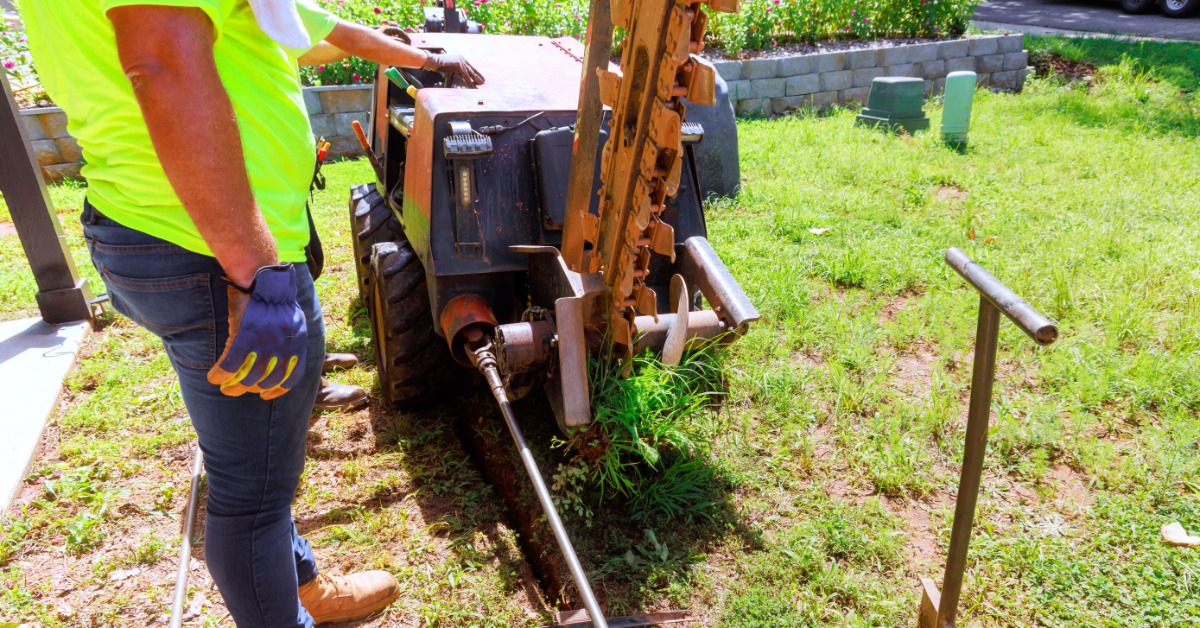
Horizontal directional drilling (HDD) has changed how contractors install underground utilities, where open excavation would disrupt roads or established neighborhoods. As infrastructure networks expand, contractors need equipment that handles challenging ground conditions while maintaining accurate bore placement. Understanding how HDD technology is advancing utility installation helps drilling professionals recognize improvements that shape underground construction. Better guidance systems and responsive machines give crews greater control over demanding projects without requiring extensive surface excavation.
Accurate bore placement remains essential for successful underground utility installation. Modern HDD guidance systems provide operators with information about the drill head's position throughout the drilling process. Crews use this information to follow planned routes while navigating underground obstacles.
Advanced locating equipment helps operators monitor drilling depth and direction. When conditions change, crews can adjust steering to maintain alignment with the intended bore path. These capabilities become valuable near existing utility lines, where careful positioning matters.
Guidance technology also makes drilling operations more predictable. Operators can respond to unexpected conditions using current locating information rather than assumptions about the drill head's position. However, guidance systems never replace proper utility locating or verification before drilling begins.
Modern horizontal directional drills offer controls that help operators manage machine performance. Digital displays provide operating information, allowing crews to monitor equipment behavior while drilling. This visibility helps operators recognize changes that may require adjustments.
Hydraulic systems control important drilling functions, including rotation and thrust. Improvements in hydraulic technology help machines respond to changing resistance underground. Operators can adjust drilling parameters according to ground conditions and installation requirements.
Steady equipment response supports consistent progress and helps crews avoid unnecessary strain on machinery. Appropriate operating practices remain essential, regardless of a drill's available technology.
Some HDD machines include electronic monitoring features that display hydraulic pressure or other operating conditions. These readings give operators insight into machine performance during installation.
When crews notice unusual changes, they can investigate potential issues before continuing. Monitoring tools support informed decisions, but regular inspections and maintenance remain necessary for dependable equipment operation.
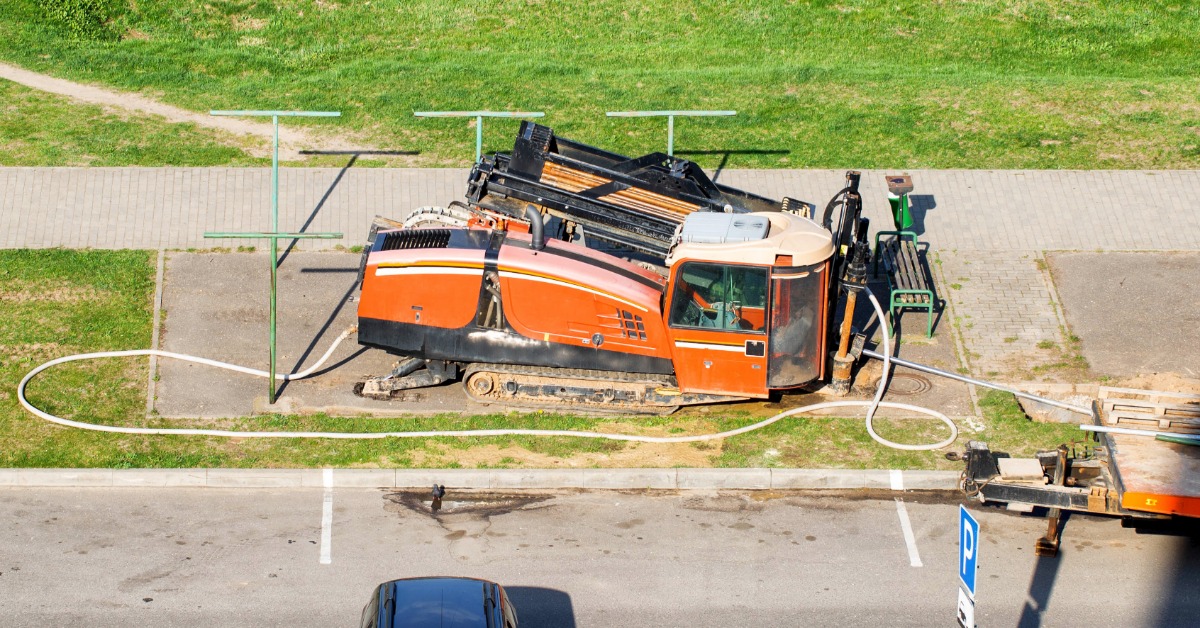
Drilling advancements extend beyond the machines themselves. Drill heads and reaming tools come in configurations designed for different ground conditions and installation requirements. Choosing suitable tooling helps crews maintain drilling performance while managing wear.
Soft ground may call for a different cutting approach than compacted soil. Rock formations can require specialized drilling systems and additional planning. Contractors must evaluate anticipated conditions before selecting tools for a particular bore.
Modern tooling options give crews more flexibility when projects involve variable formations. Still, no single tool works equally well everywhere. Proper selection depends on the soil profile and the capabilities of the drilling equipment.
Utility installation often takes place beneath roads or near existing buildings. Conventional excavation may require crews to open long sections of ground, creating surface disruption.
HDD allows contractors to establish an underground path between planned entry and exit points. Because crews do not need to excavate the entire route, they can often limit disturbance to surrounding surfaces. The method still requires suitable access areas and careful site preparation.
Telecommunications contractors use HDD to create pathways for underground fiber optic infrastructure. Water utility projects may use directional drilling when open excavation would interfere with developed areas.
Gas pipeline installations also benefit from appropriately planned HDD operations. Each application has different specifications, so contractors must select equipment and installation procedures that meet project requirements.
Successful drilling begins well before a machine starts its pilot bore. Planning tools help contractors evaluate proposed routes and anticipate challenges along the installation path.
Digital bore profiles can help crews assess planned depths and identify areas that need closer review. Contractors also consider known utility locations when determining a suitable drilling approach.
Equipment selection is an important part of preparation. Bore length and ground conditions influence the drill capacity needed for a project. Planning helps contractors choose machinery that fits the work rather than relying on equipment availability alone.
Technology cannot eliminate uncertainty underground. Crews still need field verification and appropriate utility locating practices before beginning work.
Drilling fluid helps carry excavated material out of the bore while supporting bore stability. Effective fluid management becomes especially important when contractors encounter changing soil conditions.
Modern mixing equipment helps crews prepare drilling fluids for anticipated formations. Operators can adjust fluid properties according to site conditions and the drilling program.
Fluid recycling systems may separate reusable fluid from excavated solids. Depending on the equipment and material involved, recycling can reduce the need for additional fresh drilling fluid.
Crews must continue monitoring fluid behavior throughout the installation. Appropriate pressure management and site procedures help reduce the risk of unintended fluid returns.
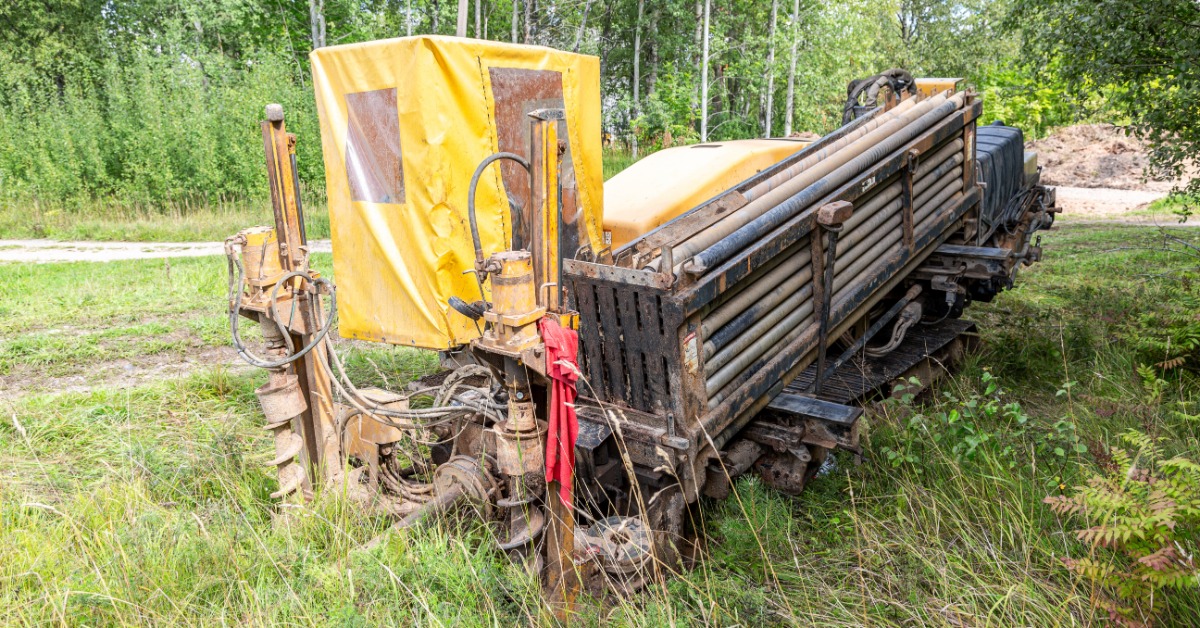
Underground contractors frequently move between jobs with different space limitations and installation demands. HDD equipment comes in several sizes, allowing crews to match machine capabilities to each application.
Compact drills may fit locations with restricted access. Larger machines can support installations requiring greater pulling capacity, provided the equipment matches the project's engineering requirements.
Contractors should consider tooling compatibility when evaluating machinery. A capable drill still needs the accessories to perform effectively under expected conditions.
Contractors do not always need new machinery to benefit from established HDD technology. Used horizontal directional drills can offer useful capabilities while providing another option for managing equipment investment.
Before purchasing, buyers should examine machine condition and review available maintenance records. They should also confirm that drilling capacity and control features suit their intended work.
Refurbished equipment may appeal to businesses expanding their fleets or replacing older machines. Careful evaluation helps contractors find equipment that supports their operational needs without assuming every machine offers identical features.
Understanding how HDD technology is advancing utility installation helps contractors evaluate equipment for changing underground construction demands. Improvements in guidance and drilling control support more informed decisions throughout the installation process. Successful projects still depend on proper planning and equipment selection.
MTI Equipment sells used horizontal directional drills and support equipment for contractors serving underground utility markets. Our used and refurbished machinery gives businesses options when adding equipment or replacing existing drills. Contact MTI Equipment to discuss available machines and find equipment suited to your upcoming utility installation projects.
SHARE
Got a question? Our support team will go the extra mile so you can have an easy and enjoyable experience with MTI.
Contact Us© 2026, MTI Equipment - All Rights Reserved.