August, 2026
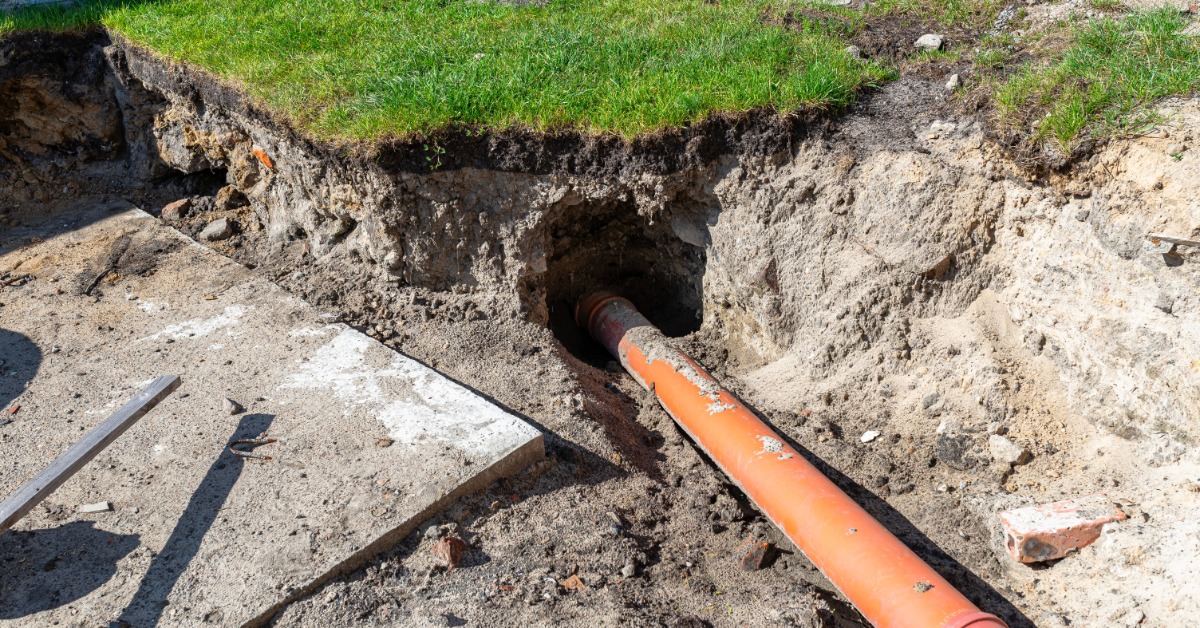
Utility installation depends on more than placing a line underground. Crews need a controlled path that keeps the project aligned with design requirements. The path must also support the utility and protect it from damage. Explore the reasons why trenching is so important for utility installation.
A trench turns the planned utility route into a physical path that crews can measure as they work. Operators excavate along the marked centerline, then check the trench location against the site plan before crews place the pipe or conduit. This helps keep the new line within the approved corridor and away from existing utilities. It also gives crews enough room to follow planned offsets around foundations or other fixed site features.
The open trench also shows crews where actual field conditions differ from the plan. If they uncover rock or find an existing line where the new utility should run, they can stop and review the route before installation continues. Supervisors can then confirm the revised alignment and make sure it still meets project requirements. This prevents crews from placing the utility first and correcting the route after backfill begins.
Every underground utility needs enough cover to protect it from surface loads and future activity. The required depth depends on the utility type and local rules, so crews must measure as they excavate. A trench lets the operator shape the bottom and correct high spots before the line enters the ground.
Crews must shape the trench bottom to the elevation and slope shown in the project plans. On gravity sewer lines, even a small high spot can slow flow and allow solids to collect inside the pipe. On the other hand, a low spot can hold wastewater and create a section that does not drain as intended.
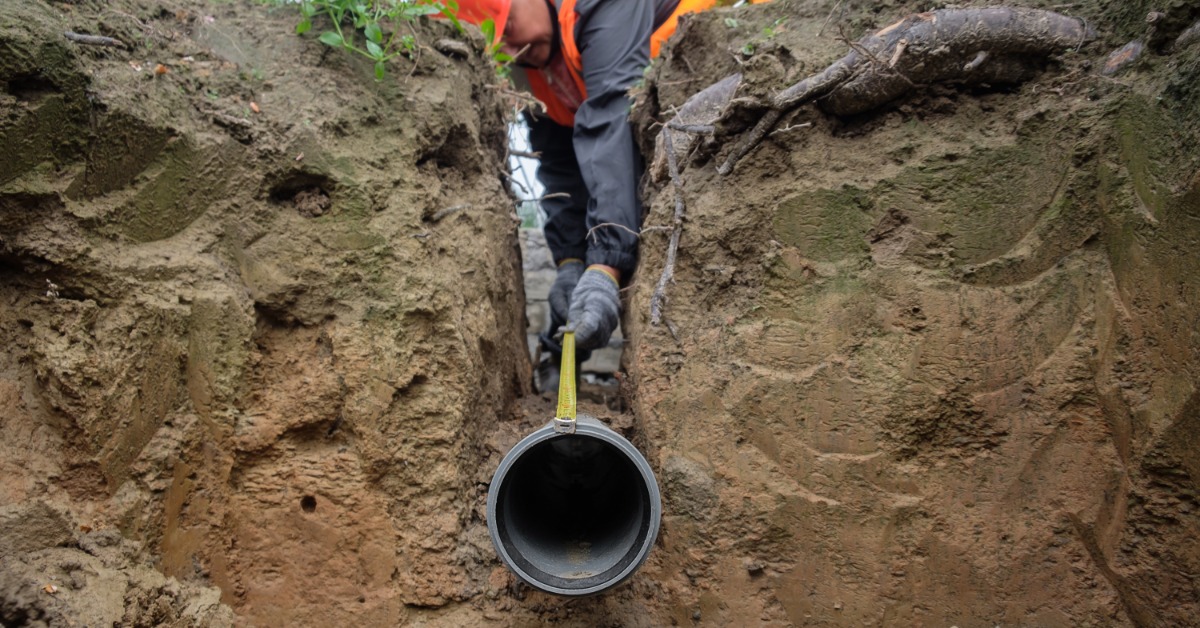
The condition of the trench bottom further explains why trenching is so important for utility installation. Since the trench bottom supports the full weight of the installed line, crews must create a stable and even surface before placing the utility. Loose soil or sharp material can leave sections without support. A properly prepared trench gives the crew room to remove unsuitable material and place bedding where the line needs it. This creates even contact along the pipe or conduit.
Good bedding also protects the utility as soil settles. When the line rests on a firm base, it can resist movement that may pull on joints. The crew can also shape the bedding around the lower portion of the line to reduce pressure points. That support helps the installation hold its position after the project ends.
A properly excavated trench lets crews place the utility deep enough to protect it from the weight and movement above the ground. Roads and work areas can place repeated pressure on buried lines, especially when heavy equipment crosses the site. By maintaining the required cover, crews reduce the chance that surface loads will crack a pipe or damage a conduit. The soil above the utility then helps spread that pressure instead of allowing it to reach one point on the line.
Crews must also place the utility where future construction will not put it at unnecessary risk. The open trench lets them confirm the distance between the new line and nearby foundations or other permanent features before installation continues. That spacing matters because later excavation or grading near those features could expose or strike the utility. Careful placement gives the line better protection now and makes future site work easier to plan.
Utility installation requires room for workers to align sections and complete joints correctly. A trench that fits the pipe size and work method gives the crew enough access to position each section without forcing it into place. Workers can check the connection before moving to the next section. That access supports better workmanship and reduces the chance of hidden defects.
The crew also needs stable footing while handling materials in the trench. A well-planned trench keeps the work area orderly and gives workers a clear place to stand or use tools. The team can move at a controlled pace instead of working around a cramped opening. This improves consistency at each connection point.
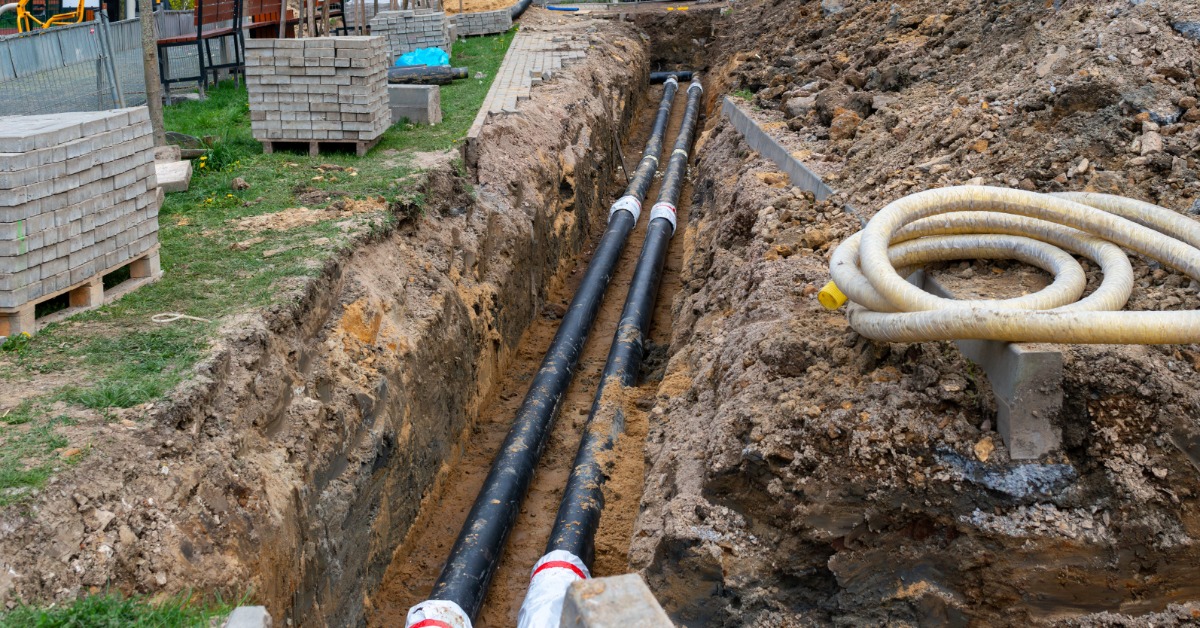
An open trench lets supervisors and inspectors see the utility before crews cover it. They can compare the placement with project requirements and catch a problem while the line remains accessible. This saves the crew from reopening a finished area later. It also creates a clear checkpoint before backfill begins.
Before the crew closes the trench, the team should verify several critical details against the project plans and actual site conditions:
Backfill secures the utility in the position crews established during installation. Crews place the soil in shallow lifts around the line, then compact each lift before adding more material. This method fills open spaces beside the utility and creates even support along the trench. It also prevents the line from shifting as the crew restores the ground above it.
Crews must control how material enters the trench because careless placement can damage the new utility. Large rocks can strike the line, while soil dropped from too high can force it out of alignment. By lowering suitable material carefully and compacting it evenly on both sides, crews protect the utility while building a stable base for the finished surface.
Accurate trenching helps create a reliable record of where the utility runs. Crews can document the route and depth while the line remains visible. That information gives future teams a better starting point when they need to repair a section. It also reduces unnecessary excavation around the site.
A consistent trench route can make maintenance work more focused. When crews know where the line should be, they can plan access with less disruption. They still need to verify the location before digging, but good records narrow the search area. That preparation can save time when a repair already demands a quick response.
Trenching works best when contractors match the equipment to the soil and project limits. MTI Equipment offers used equipment for utility contractors who need practical options for underground work. The available inventory includes cable plows for crews that need an efficient way to place cable in suitable ground conditions. Contact MTI Equipment to discuss the job requirements and find equipment that fits the work.
Before excavation begins, crews should confirm the utility route and required trench depth against the project plans. Keeping those details visible throughout the job helps the team catch problems before the line goes into the ground.
SHARE
Got a question? Our support team will go the extra mile so you can have an easy and enjoyable experience with MTI.
Contact Us© 2026, MTI Equipment - All Rights Reserved.