July, 2026
The performance of a directional drill often comes down to the condition and design of the drill rods running through the bore. Each rod has to carry torque, follow the planned path, and hold up as ground conditions put pressure on the connection. When the rod does not fit the drill or the job, crews can run into slower progress and more wear than expected.
Contractors need drill rods that match how they actually work in the field. A short utility bore may not call for the same rod as a longer shot with heavier pullback demands. This guide explains common drill rod options and what crews should consider before choosing replacements. This guide explains the common types of drill rods to know for directional drilling.
Standard HDD drill rods are the everyday rods contractors use when the bore does not require a specialty setup. They work best on jobs where the drill string needs steady torque transfer without the added demands of rock drilling or heavy pullback. For many crews, this makes them a practical choice for routine utility installation with a compact or midsize drill.
The main concern with standard rods is fit. A contractor should confirm the rod diameter, length, and thread style before adding rods to the drill string. Even a standard rod can cause problems when the threads show wear or the rod does not match the machine.
Forged drill rods have reinforced ends that help the rod handle stress near the connection. That matters because the tool joint takes a lot of strain each time the crew rotates the drill string or breaks rods apart. On demanding jobs, forged ends can help reduce wear in the area where standard rods often show damage first.
Contractors should still judge forged rods by condition, not just construction. Clean threads should turn smoothly without binding, and the shoulder should sit flush when the connection tightens. If the threads look rolled, chipped, or uneven, the rod can create makeup problems even if the body still looks strong.
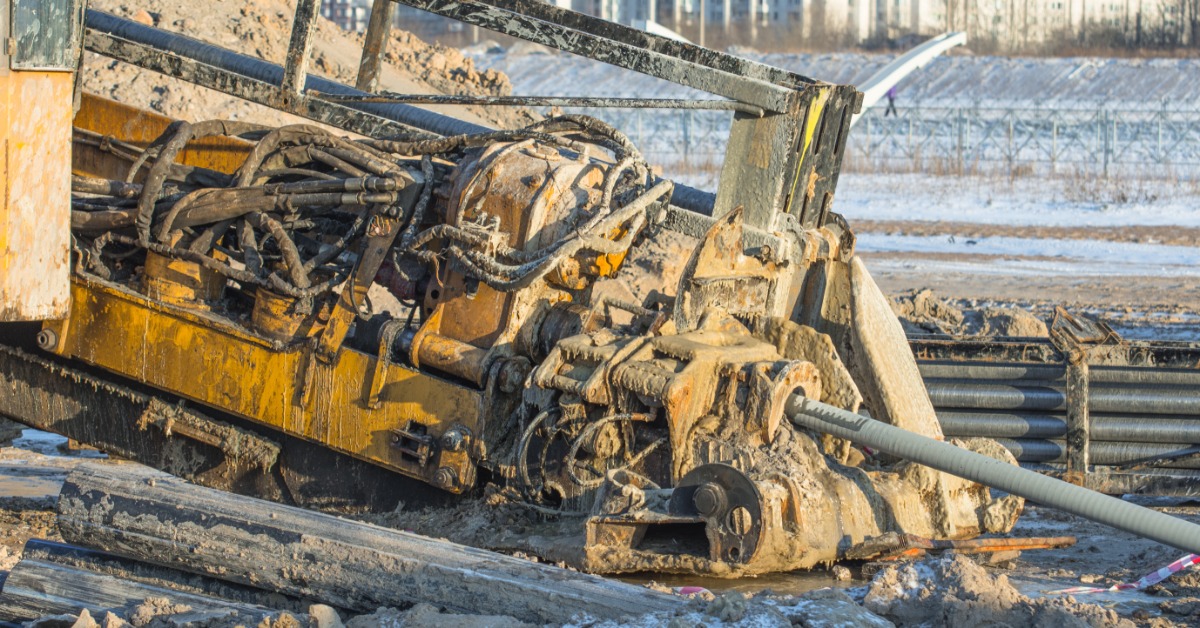
Friction-welded drill rods have a separate tool joint welded to the rod body. This design matters because the connection end takes the hardest abuse during rotation and breakout. A good friction weld provides the rod with a strong transition from the body to the joint, which helps the connection withstand repeated stress.
Contractors should inspect the weld area before buying this type of rod. The joint should look even, and the rod should not show cracks near the transition point. If the rod body looks bent or the threads feel rough during makeup, the rod may cause problems once the crew starts drilling.
High-strength drill rods use stronger steel grades or upgraded designs to handle higher torque demands. They make the most sense when the drill string has to work harder through a longer bore or tighter steering path. A contractor should compare the rod’s torque rating with the drill’s specs because extra strength only helps when the machine can use it.
The connection still needs close attention. High-strength rods can transfer more force through the string, which means worn threads can create bigger problems during makeup. Before buying, contractors should check the rod rating and confirm that the thread style matches the rest of the drill string.
Heavy-duty and specialized rods give crews options when standard rods do not fit the job. A heavy-duty rod usually has more material in the body or connection area, which can help it withstand harder drilling conditions. Specialized rods may also fit a specific drill system, so contractors should confirm an exact match before buying.
These rods can add weight to the setup, so handling matters. A heavier rod can slow loading and require more space on the trailer. Contractors should choose this option when the job creates enough demand to justify the added cost.
All-terrain drill rods pair with drills that can run in harder or mixed ground. These rods often work as part of a specific system, so the thread profile and tooling connection matter as much as the rod size. Contractors should not treat them as a general upgrade for any drill because the wrong rod can interfere with how the machine transfers power.
Before buying all-terrain rods, crews should confirm the drill model and the tooling setup. The rod needs to work with the housing, bit, and steering system the crew plans to use. A rod that fits the rack may still cause problems if it does not match the rest of the all-terrain setup.
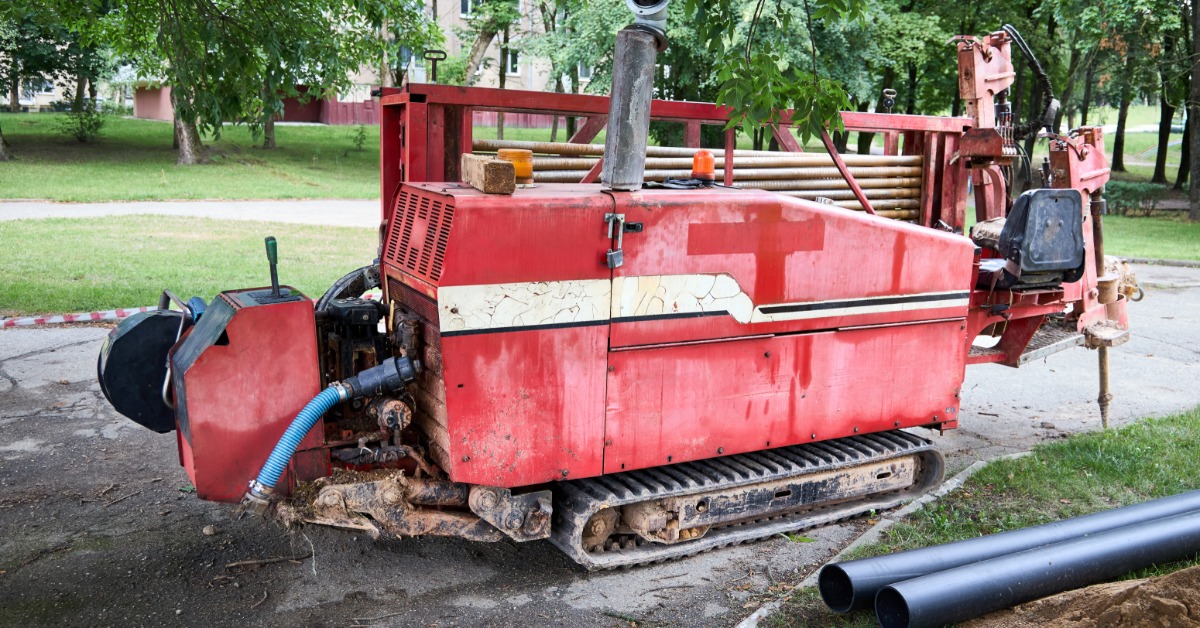
Small-diameter drill rods give compact drills a lighter drill string for shorter bores. Their smaller size helps crews work in tighter spaces where a larger machine would create access problems. These rods fit jobs with lower pullback demand, so contractors should avoid pushing them beyond the drill’s rated capacity.
The tradeoff comes from strength. A smaller rod has less material to carry torque through the bore, which can make it a poor fit for harder ground. Crews should step up to a larger drill setup when the job requires more pullback than the compact rig can safely handle.
Large-diameter drill rods are used in higher-capacity directional drills that require a stronger drill string. The larger body gives the rod more material to carry torque through the bore, which can help on longer shots or heavier pullbacks. Contractors should still match the rod to the machine because a larger rod only helps when the drill has the power to run it correctly.
Size also affects the way crews handle the rods. Larger rods take more room on the trailer and can slow daily loading if the crew lacks the right setup. Before buying, contractors should check the thread shoulders closely because wear in that area can weaken the connection under heavy load.
Used or refurbished drill rods can give contractors a practical replacement option when the rods still have usable life. The key is condition, especially at the threads and shoulders, where the drill string is under the most stress. A rod with a clean body can still cause trouble if the connection shows wear from repeated makeup.
Contractors should ask how the seller inspected the rods before purchase. Straightness matters because a bent rod can affect steering and create extra strain on the string. The rod also needs to match the drill’s thread style before price becomes a factor in the decision.
Drill rod selection affects how well a crew can manage stress through the drill string. The right rod should fit the machine, match the work, and hold up under the conditions the crew expects to face. When contractors understand the differences between rod types, they can choose replacements with more confidence.
MTI Equipment sells refurbished horizontal directional drill equipment and replacement parts for contractors who need dependable options for the field. Browse available equipment today, or contact MTI Equipment to find a setup that fits your next job.
Taking time to evaluate drill rod options before a purchase can help prevent costly issues in the field. With the right information, contractors can make stronger equipment decisions for future projects.
SHARE
Got a question? Our support team will go the extra mile so you can have an easy and enjoyable experience with MTI.
Contact Us© 2026, MTI Equipment - All Rights Reserved.