August, 2026
Vacuum excavation provides utility crews with a more controlled method for removing soil around buried lines. Instead of heavy digging near sensitive areas, the crew loosens the ground with air or water and pulls the loosened material into a debris tank. This method can support safer decisions when crews need to confirm a line location before other underground work begins. Contractors working around active utilities can benefit from understanding the advantages of vacuum excavation on their job sites.
Every underground project carries risk because crews often work around lines that are not visible from the surface. Traditional digging can introduce greater uncertainty when the bucket approaches a marked utility. Vacuum excavation gives the crew more control because the operator removes soil in a focused area, making the process easier to monitor.
This control matters when a jobsite has limited room for error. A crew can slow the pace of work near a line without losing sight of the goal. That steady approach helps workers make better choices before they expose the utility or move into the next phase.
Utility strikes can stop a job quickly and create repair needs that affect the schedule. Even when crews follow markings, they still need to confirm the exact position of a line before they dig near it. Vacuum excavation helps them uncover the area with less force, reducing the risk of the equipment making hard contact with the utility.
Utility protection is one of the biggest benefits of using vacuum excavation on your jobsite. Once the line becomes visible, the team can adjust the plan with more confidence. Better information can prevent a small unknown from turning into a larger job-site problem.
Vacuum excavation helps crews dig with greater precision, reducing surface disruption around the work area. Instead of opening a large section of ground, the operator can focus on the area that needs attention. This approach helps contractors protect nearby surfaces when the jobsite requires a cleaner footprint.
Less disturbance can also make restoration easier after the work ends. When crews remove only the necessary soil, they have fewer repairs to address before leaving the site. That can matter when the finished surface affects the customer experience.
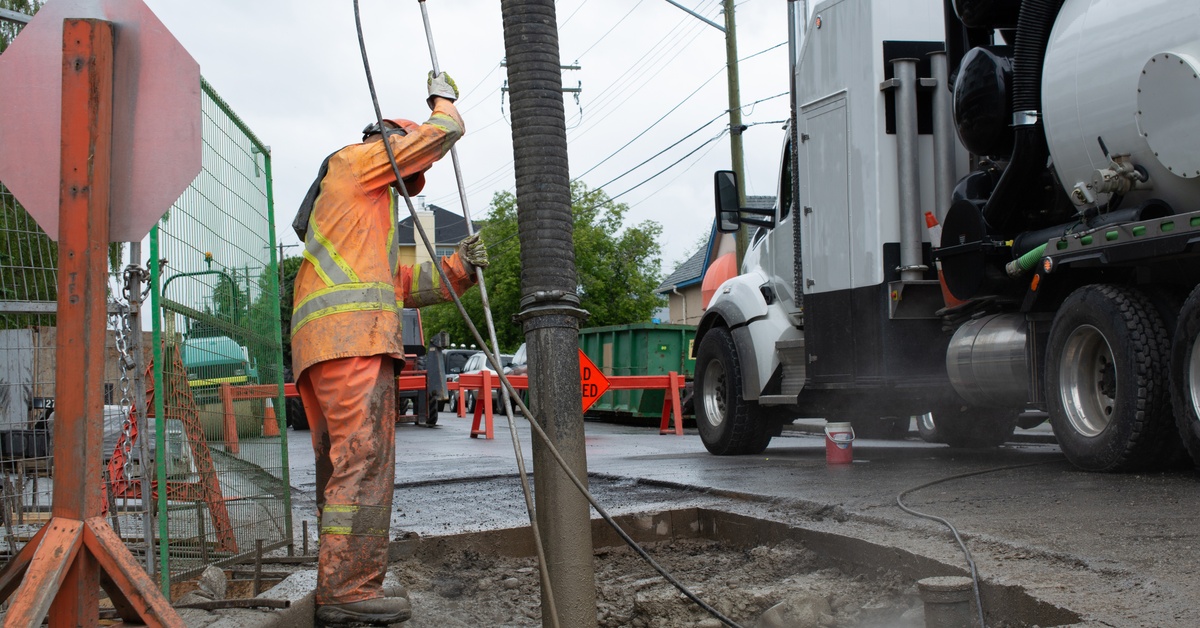
Accuracy matters when crews need to know where a line sits before they drill or dig nearby. Vacuum excavation gives the operator a clearer way to expose the target area without relying on a wide excavation path. Greater precision helps the crew compare what they see on the ground with the information they had during planning.
A more accurate view can also improve the next decision. When the utility sits deeper than expected, the crew can adjust the plan before the work creates additional risk. When the location matches the plan, the team can move forward with more confidence.
Many job sites do not give crews much space to work. A large excavation setup can create issues when the crew needs to operate near traffic or narrow access points. Vacuum excavation can help because the hose can reach the target area while the truck or trailer remains in a safer position.
Added flexibility helps crews manage space without making the work feel rushed. The operator can focus on the exact dig area while the rest of the crew keeps the site organized. When space creates pressure, vacuum excavation can make the project easier to manage.
Efficiency does not only mean faster digging. It also means crews spend less time handling loose material and correcting issues caused by a larger dig area. Vacuum excavation can help by exposing a line while the system collects debris in the tank.
The best results still depend on planning and equipment fit. Crews need to understand the soil conditions before choosing the setup. When the method matches the job, vacuum excavation can help the team keep work moving without adding unnecessary cleanup.
Daylighting gives crews a clearer view of buried utilities before they begin higher-risk work. Vacuum excavation is well-suited to this task because it exposes the line with controlled force rather than brute force. Crews can confirm the line depth and location before they bring other equipment closer to the area.
A direct view of the utility can improve planning for HDD support work. When the crew knows where the utility is located, the locator and operator can make better decisions about the bore path. Reliable field information can reduce guesswork and help the team avoid changes that come too late in the project.
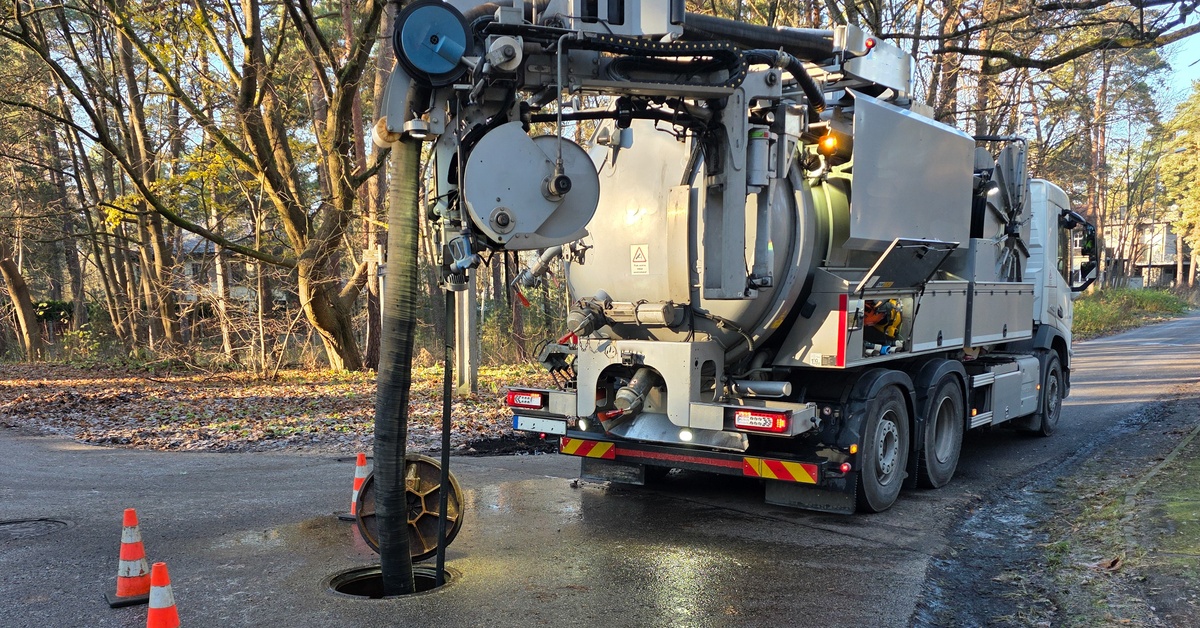
Repair costs often grow when a crew opens more ground than the project requires. Vacuum excavation can help limit the issue by keeping the work area focused from the start. A smaller dig area can also make final restoration easier because crews have less surface damage to repair.
Every job still depends on soil conditions and site access. A controlled digging method can help contractors avoid damage that creates extra work after the main task ends. Even when savings vary, less disruption can make cleanup easier to manage.
Vacuum excavation can address common needs on utility jobsites, especially when crews must work carefully around existing infrastructure. Contractors often choose it when they need more control before the main work begins. The method can support tasks by helping the crew uncover or clear the target area with less disruption.
Common uses where crews can support the work include the following:
Vacuum excavation works best when the equipment matches the work. Contractors should consider the expected soil type and the amount of material they need to remove. They should also consider where the machine can sit without creating traffic or access issues.
The right setup helps the crew keep the process smooth. A machine with insufficient capacity can slow production and lead to more unplanned stops than expected. Equipment that fits the job gives the operator better control and helps the crew maintain a steady pace.
Vacuum excavation can help contractors work with more control around buried utilities. It supports safer digging and better decisions before crews move into more demanding work.
MTI Equipment sells used vacuum excavators that fit various work styles. The right machine can help crews handle utility support, cleanup, and excavation needs with more confidence.
Choosing the right excavation method can help crews work with greater precision from the start of a project. Small improvements during utility exposure often lead to smoother work throughout the rest of the job.
SHARE
Got a question? Our support team will go the extra mile so you can have an easy and enjoyable experience with MTI.
Contact Us© 2026, MTI Equipment - All Rights Reserved.