May, 2026
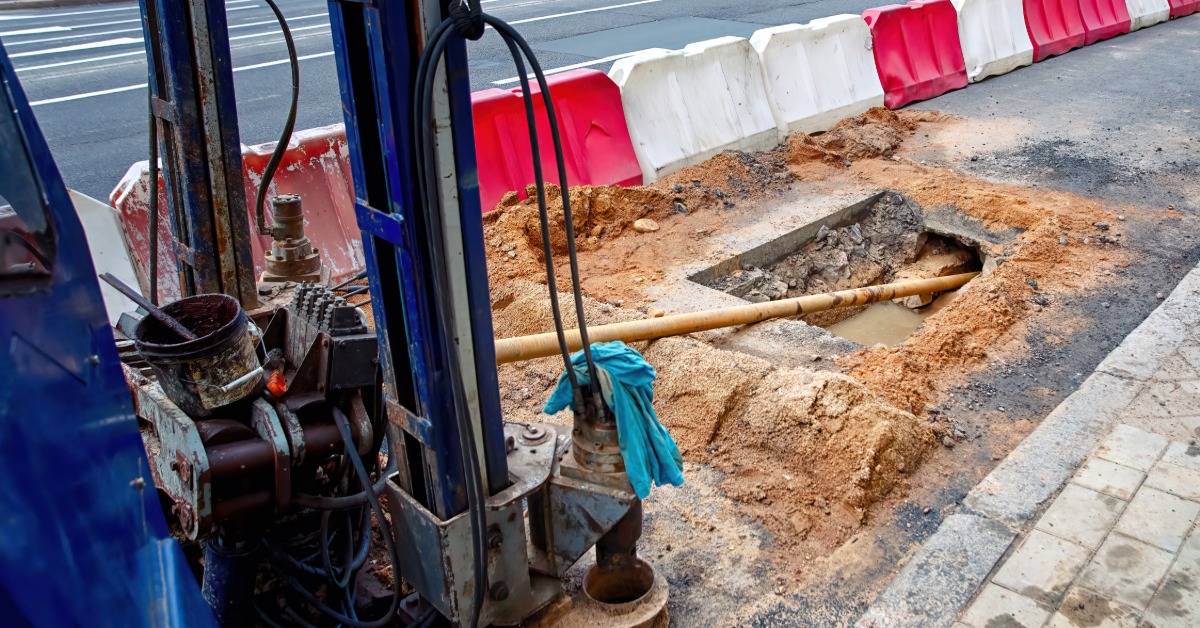
Underground utility work depends on proper installation methods before the crew starts digging or drilling. Contractors must consider the jobsite, the utility path, surface conditions, and the amount of disruption the project can withstand.
Horizontal directional drilling (HDD) and trenching can both support utility installation, but each method works best under specific job-site conditions and project goals. Understanding the four key differences between HDD and trenching helps contractors choose a method that fits the work.
Horizontal directional drilling uses a surface-launched drill rig to create an underground path for pipe, conduit, or utility lines. Instead of cutting open the full route, the crew drills a pilot bore from an entry point to an exit point, then enlarges the path if needed before pulling the product line into place. The drilling process helps crews install utilities beneath paved areas, finished properties, and other surfaces that would create expensive restoration work if opened.
The method depends on accurate planning before the drill starts. Crews review the bore path, depth, soil conditions, existing utilities, and available setup space so the operator can steer the drill safely.
Tooling and tracking also matter because the drill head must stay on course as it moves through changing ground conditions. When contractors plan the route well, HDD can reduce surface disruption and help crews work through areas where open excavation would create bigger challenges.
HDD limits surface disruption by keeping most of the installation work underground. Instead of opening a trench across the full route, the crew uses entry and exit points to guide the bore beneath the surface.
Contractors can protect pavement, landscaping, sidewalks, and finished areas that would be expensive and time-consuming to restore. The method can also reduce interruptions in places where open excavation would affect traffic, property access, or nearby businesses.
Keep in mind that careful site planning still matters. Contractors need to confirm existing utility locations, review soil conditions, and make sure the crew has enough room for the rig and support equipment. The entry and exit points also need to align with the planned bore path so the installation remains controlled from start to finish.
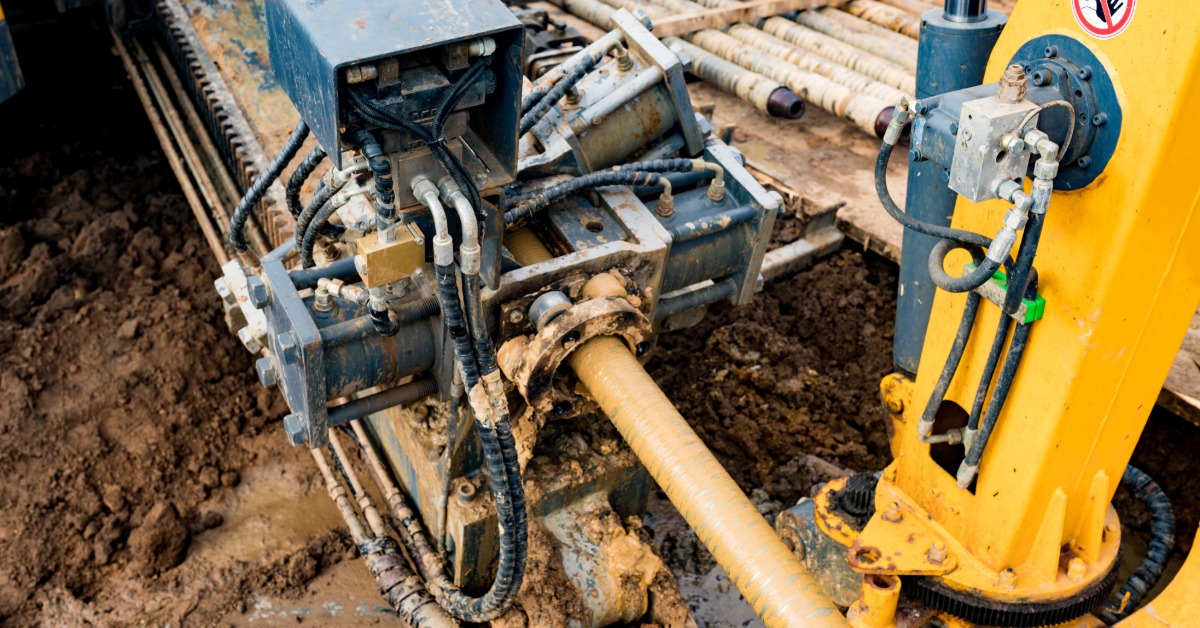
HDD depends on a clear bore plan before the crew starts drilling. Contractors need to review the entry point, exit point, soil conditions, bore depth, and existing utility locations so the drill path supports the installation. These details help the operator guide the drill accurately and avoid unnecessary adjustments during the job. Strong planning gives HDD the most value on sites where surface disruption would create bigger problems.
The method also requires enough space for the rig, support equipment, drilling fluid management, and product pipe staging. A tight jobsite can limit setup options, even when HDD seems like the right installation method. Crews should also consider ground conditions because rock, cobble, or unstable soils can affect tooling choices and production speed.
Trenching installs underground utilities by opening the ground along the planned route. A crew excavates a channel, prepares the trench bottom, places the pipe, conduit, or utility line, and then backfills the area once the installation meets project requirements.
The open trench gives crews direct visibility from one end of the route to the other, making placement, grade control, and connection work easier to manage. Trenching often works best on open sites where crews can dig safely without creating major problems for traffic, pavement, landscaping, or nearby structures.
Contractors often use trenching for shorter runs, repair work, and projects where the surface already needs excavation. Trenching uses familiar excavation equipment, but the job still requires careful planning to avoid existing utilities and ensure safe access. Crews also need enough room to move equipment and store excavated material without crowding the work area.
Trenching gives contractors full access to the installation area from start to finish. That access can simplify jobs that require careful line placement or direct-connection work. Crews can inspect the trench, adjust bedding, and confirm the utility's position before backfilling. This level of visibility can make trenching a practical choice for uncomplicated routes.
Open access also brings tradeoffs. The crew must manage spoil piles, traffic control, ground stability, and post-installation restoration. On paved or landscaped surfaces, restoration can become a major part of the job.
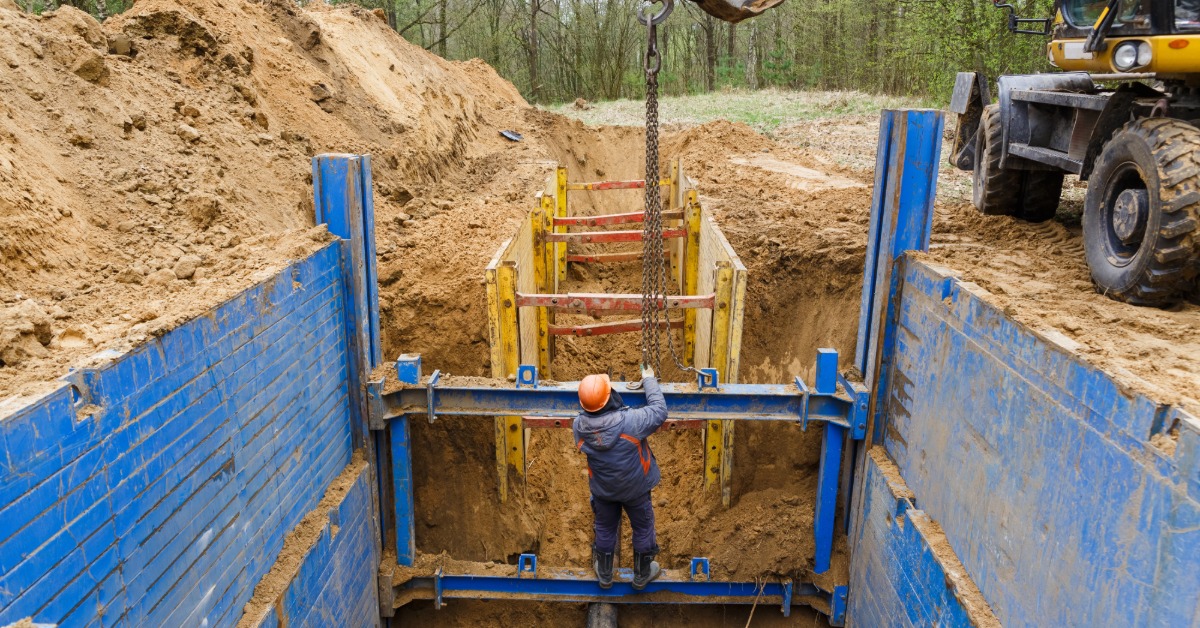
Trenching depends heavily on ground conditions and the amount of space available around the utility path. Crews need enough room for excavation equipment, spoil placement, and safe movement along the trench.
Soil stability also matters because loose or saturated ground can create safety concerns and slow progress. Before choosing trenching, contractors should review whether the site can support open excavation from start to finish.
Restoration also plays a major role in the decision. A trench may seem simple at first, but pavement repair, landscaping, traffic control, and cleanup can add time after installation. These factors matter most in developed areas where surface disruption affects property owners or public access.
Evaluating the differences between HDD and trenching helps you determine when to use each. Contractors should start by reviewing the utility route, surface conditions, surrounding infrastructure, and the amount of restoration the project can accommodate.
Here are a few reasons to choose HDD:
Most experts choose trenching in the following instances:
These points can help narrow the decision, but contractors should still review the entire job site before making a choice. Soil conditions can affect HDD performance, while pavement, landscaping, or traffic can make trenching more disruptive than expected. Existing utilities can also affect both methods, as crews need safe clearance regardless of how the line is installed. A careful site review helps contractors avoid assumptions that can lead to problems later.
The installation method matters, but the equipment behind the work matters just as much. Contractors need reliable rigs, tools, and support equipment that match the job site and the utility work ahead. MTI Equipment offers rockwheel trenchers and other refurbished equipment for demanding underground projects.
With the right machine, crews can work more efficiently and reduce avoidable downtime. MTI Equipment helps contractors find equipment that fits their project needs without overcomplicating the buying process.
SHARE
Got a question? Our support team will go the extra mile so you can have an easy and enjoyable experience with MTI.
Contact Us© 2026, MTI Equipment - All Rights Reserved.