September, 2026
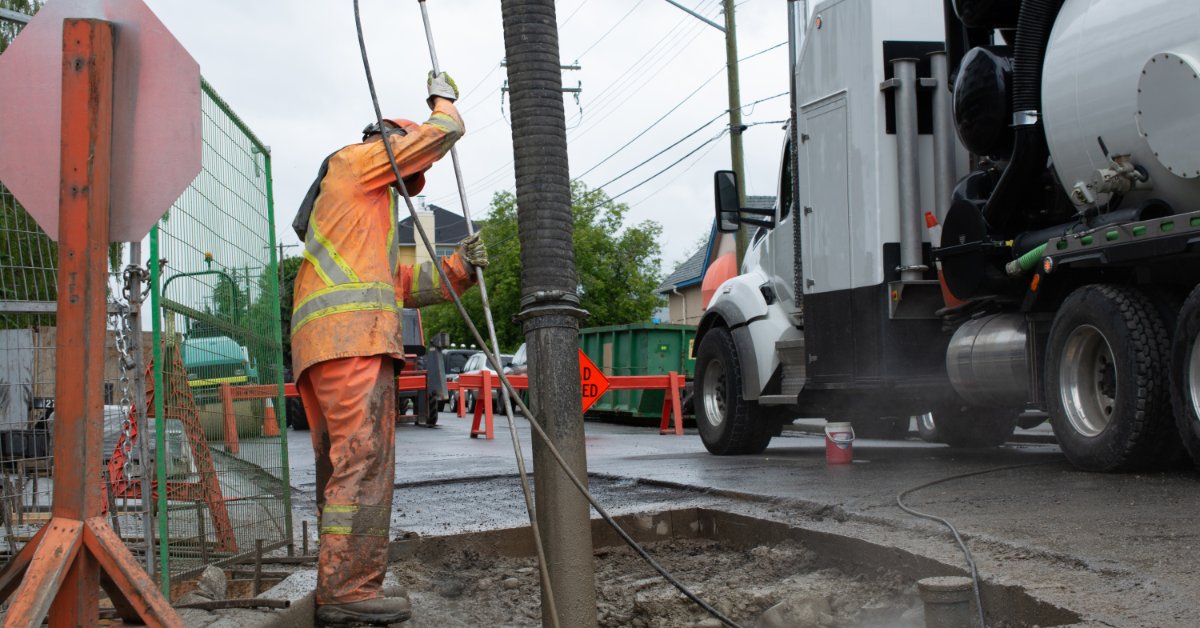
Vacuum excavation gives contractors a controlled way to expose buried utilities and remove soil without relying on aggressive mechanical digging around sensitive infrastructure. Two common methods are hydro excavation, which uses pressurized water to loosen soil, and air excavation, which uses compressed air for the same purpose. Both methods pair that loosening force with vacuum suction that moves excavated material into a debris tank. Understanding the key differences between hydro vs. air vacuum excavation can help contractors evaluate which approach better fits soil conditions, jobsite requirements, and the type of work they perform.
Hydro excavation directs pressurized water into the ground to break apart soil around buried lines or other underground structures. A vacuum then pulls the resulting slurry through a hose and into a debris tank. Because water cuts through soil types efficiently, hydrovac equipment can support utility locating, potholing, trenching, and daylighting work where precision matters.
The process reduces the need to place mechanical digging tools directly against underground infrastructure. Operators can remove material from a focused area while maintaining control around utilities. The combination of water and suction also allows crews to work through dense or compacted ground that may be difficult to loosen with air alone.
Air excavation uses compressed air rather than water to loosen soil. Once the air breaks the soil apart, the vacuum system removes the dry material from the excavation. This method can be useful when contractors want to keep excavated soil relatively dry and avoid creating slurry.
Crews can sometimes return dry soil to the excavation after completing the work, depending on site requirements and the condition of the material. That can make air excavation appealing on jobs where backfilling with excavated material is practical. However, performance depends heavily on soil composition and how firmly the ground has compacted.
The clearest distinction between the two methods is the material used to loosen the ground. Hydrovac systems rely on water, while air systems rely on compressed air. That difference affects excavation speed, debris handling, and how crews manage the site after digging.
Water can penetrate and loosen tough soil effectively, especially when the ground is dense. Air avoids adding moisture, which may simplify cleanup in certain conditions. Contractors should consider what happens both during excavation and after material enters the debris tank when deciding which method suits a project.
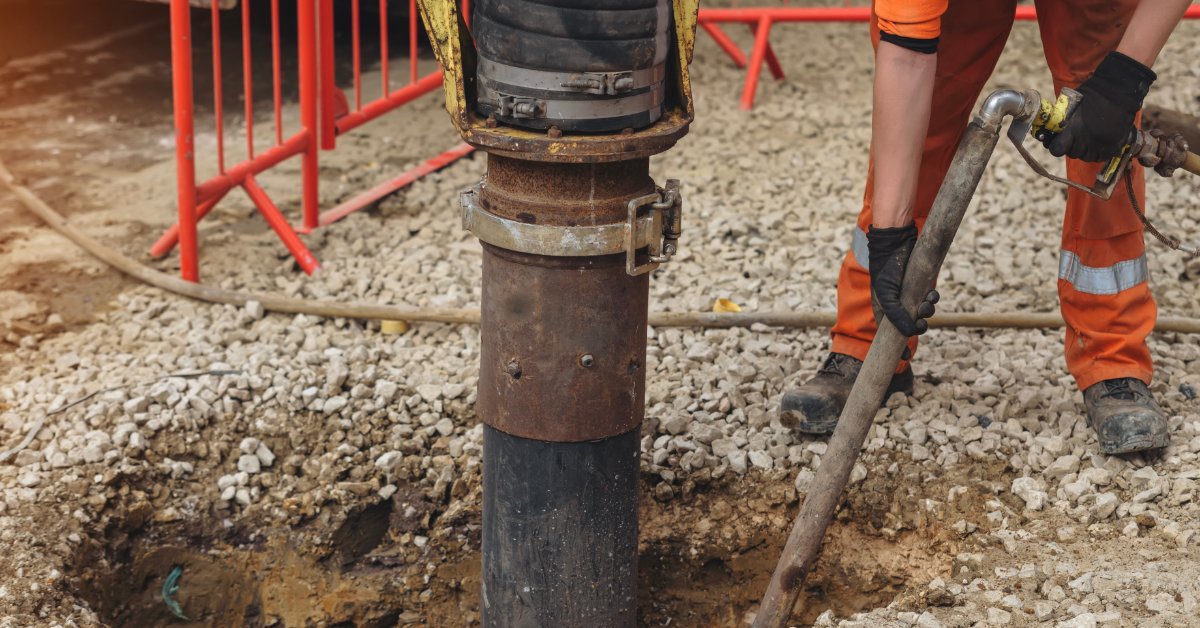
Ground conditions often play a major role in choosing between hydro and air excavation. Hydro excavation can perform well in compacted soils because pressurized water helps break material apart before the vacuum removes it. This can be valuable when crews encounter ground that resists dry excavation.
Air excavation may work effectively in loose or workable soils that separate readily under compressed air. When soil is hard or compacted, crews may find that air takes more effort to loosen the material. Evaluating expected ground conditions before mobilizing equipment can help contractors select a method that supports steady production.
Hydro excavation creates a wet mixture of soil and water that collects in the debris tank. Crews must account for that slurry when planning hauling, disposal, and jobsite logistics. The added water changes the material’s consistency, so crews generally handle excavated soil differently from untouched dry spoil.
Air excavation keeps removed material drier because the process does not introduce water into the ground. In suitable conditions, this may make material easier to manage at the site. Contractors still need to follow project requirements for handling excavated soil, regardless of which vacuum excavation method they use.
Because air excavation can preserve dry spoil, it may offer an advantage when a project allows crews to reuse excavated material for backfill. Keeping soil on site can reduce the need to manage wet material before closing the excavation. Whether reuse is appropriate depends on project specifications and the condition of the recovered soil.
Hydro excavation produces slurry, so crews typically need a different plan for removed material. The excavated mixture may require transport away from the work area rather than direct replacement into the hole. Contractors should factor those handling needs into job planning before selecting equipment.
Hydrovac equipment needs an adequate water supply to keep excavation moving. Contractors therefore need to consider water capacity, refill access, and the distance between the work area and available water. Efficient planning can limit interruptions when a tank needs replenishing.
Air excavation does not depend on a water supply for cutting soil. Instead, the system requires sufficient compressed-air performance for the ground conditions. This difference can influence equipment selection on remote sites or projects where water access presents a logistical challenge.
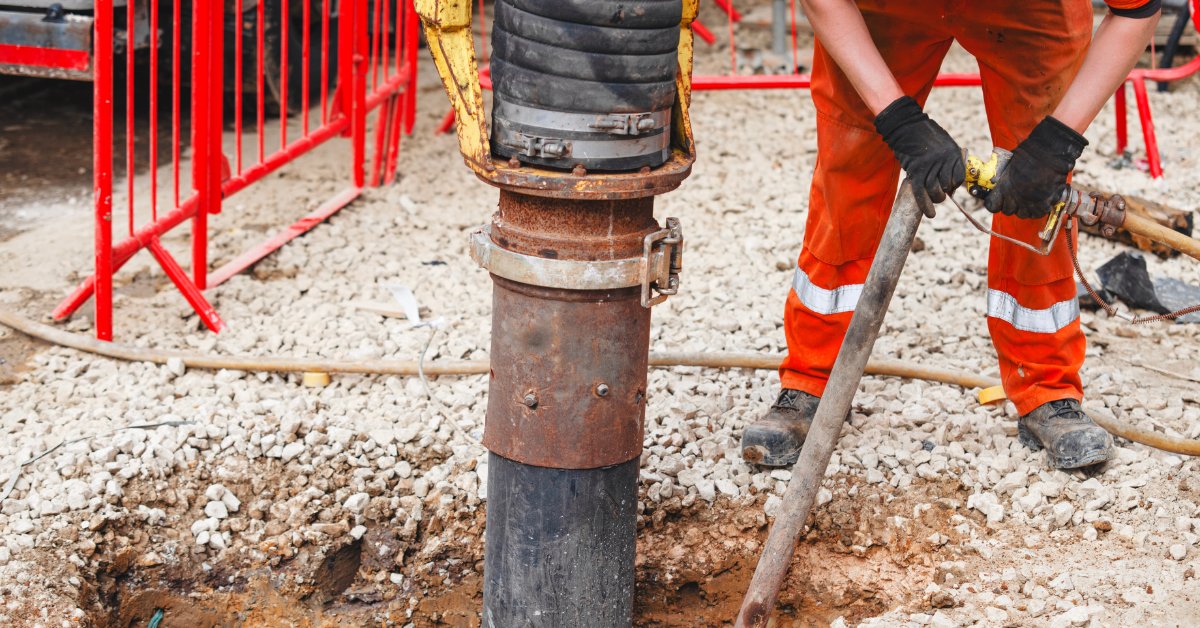
Contractors often choose vacuum excavation for work around buried utilities because it gives operators a less invasive alternative to conventional mechanical digging. Hydro and air systems can both expose underground lines while limiting direct contact from buckets or other digging attachments. That controlled approach can help crews inspect utility locations before nearby construction continues.
Neither method removes the need for utility locating or safe work practices. Crews still need to follow jobsite procedures and understand the conditions below ground. The excavation method works as part of a broader approach to careful underground construction.
Contractors should match vacuum excavation equipment to the work they expect to perform often. Soil type, material handling requirements, and access to water can all influence whether hydro or air excavation makes practical sense. Equipment capacity and jobsite constraints also deserve attention before a purchase.
Used equipment can give contractors another path when adding vacuum excavation capabilities to a fleet. The right machine should align with expected applications and operating demands rather than simply fitting an equipment category. Reviewing the machine’s configuration and condition helps buyers determine whether it suits their work.
The key differences to know between hydro vs. air vacuum excavation come down to how each method loosens soil and how that choice affects work after excavation begins. Hydro systems use pressurized water and create slurry, while air systems use compressed air and keep soil drier. Ground conditions and site logistics can shape which method is more practical for a particular job. For contractors looking to add hydro excavation capability, MTI Equipment sells used hydrovac excavation equipment that can support underground construction and utility work. Explore our inventory to learn more.
SHARE
Got a question? Our support team will go the extra mile so you can have an easy and enjoyable experience with MTI.
Contact Us© 2026, MTI Equipment - All Rights Reserved.