November, 2026
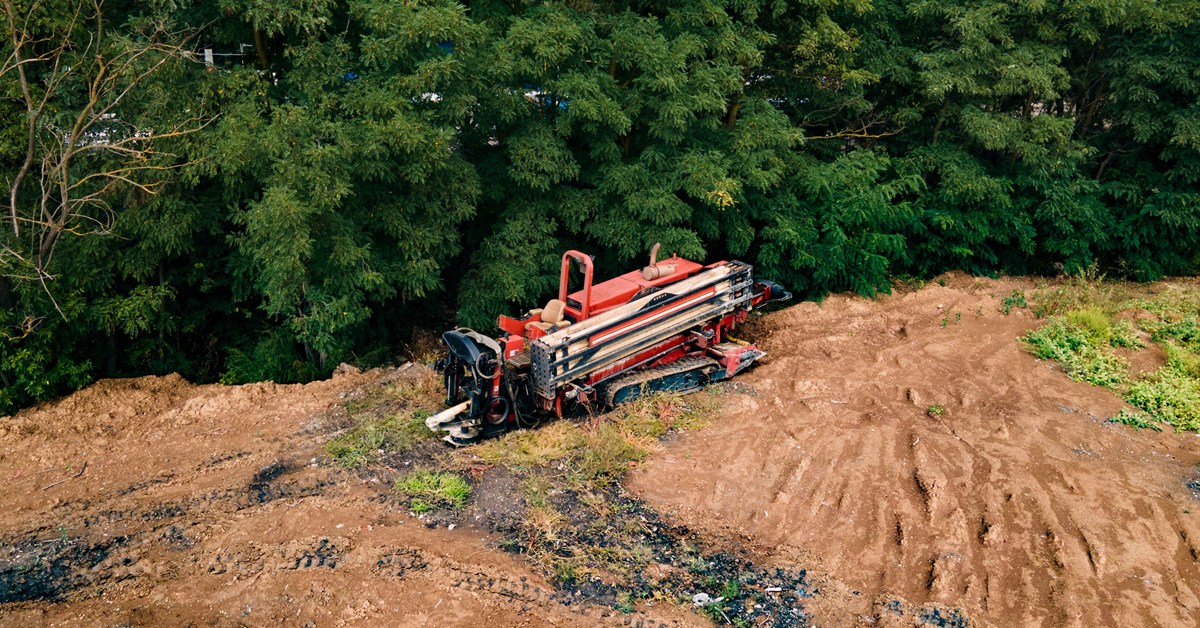
Directional drilling equipment works hard on demanding jobsites, but even a dependable machine eventually reaches a point where repairs and limitations affect daily production. Knowing the signs your directional drilling equipment needs an upgrade helps contractors make informed decisions before an aging drill disrupts a project. An upgrade does not always mean buying a brand-new machine. A well-maintained used directional drill may provide the capabilities your crew needs while keeping equipment costs manageable. The key is recognizing when your current machine no longer supports the work you regularly perform.
Every drill needs maintenance, and occasional repairs come with operating heavy equipment. However, repeated breakdowns that interrupt scheduled work deserve closer attention. When your crew spends more time diagnosing problems than completing bores, the machine starts affecting more than your maintenance budget. It also makes planning difficult because you cannot confidently estimate when equipment will be available.
Review service records to identify recurring failures rather than focusing on one expensive repair. Problems involving the hydraulic system, engine, or drilling components may signal broader wear. If technicians repeatedly address the same issue without achieving reliable operation, compare the cost of continued repairs against the cost of replacement. A more dependable drill can help your team maintain a consistent schedule.
An older directional drill can remain a valuable asset when routine maintenance keeps it productive. The calculation changes when major components need attention more frequently. Parts costs and labor expenses can accumulate, especially when repairs require specialized service or extended downtime. Even smaller fixes become expensive when they repeatedly pull the machine away from paying work.
Look at your total ownership costs over several projects, not just the latest invoice. Include maintenance spending and the work your crew could not complete while the drill was unavailable. Compare those expenses with the purchase and operating costs of a suitable replacement. This approach helps you decide whether another repair makes financial sense or simply delays an inevitable upgrade.
Before making that decision, request a detailed inspection from a qualified technician. A clear assessment of component condition can help you distinguish manageable maintenance needs from problems likely to return during similar future projects.
Ground conditions influence how efficiently a directional drill completes a bore. A machine that handled previous jobs comfortably may struggle when your crew encounters more demanding soil or rock formations. Operators might notice slower progress, frequent adjustments, or difficulty maintaining the planned bore path. These issues do not automatically mean the drill needs replacing, since tooling and drilling practices also affect performance.
Start by checking the condition of your tooling and reviewing your setup. If the equipment still struggles on projects that fall within your normal workload, evaluate whether its available torque and thrust match the work. Choosing a drill with appropriate capabilities can give operators greater control without forcing the machine to work beyond its intended limits.
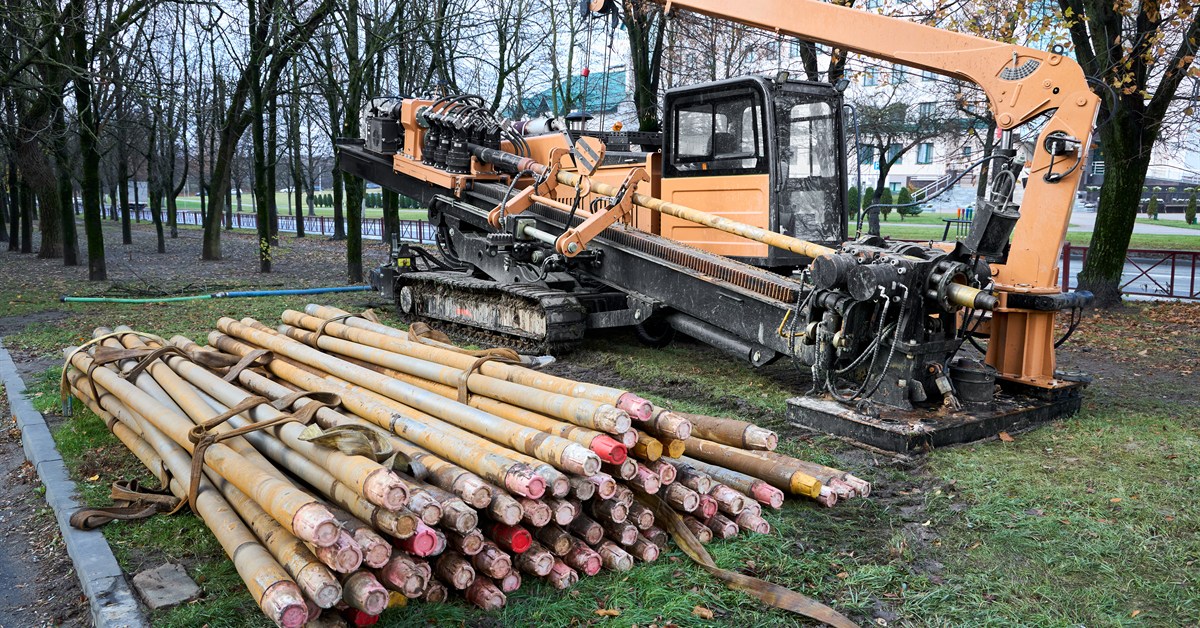
Contractors often begin with equipment that fits their typical installation requirements. As project opportunities change, those original specifications may become restrictive. Longer bores or larger product installations can demand more pullback capacity than your current machine offers. Taking on those jobs with undersized equipment can complicate planning and limit which contracts your business can pursue.
Consider the projects your company completes today and the work you expect to bid on next. Review bore lengths, installation requirements, and site access before comparing drill sizes. A larger machine is not automatically the right choice, particularly when your crew works in confined spaces. The goal is to match equipment capabilities to realistic project demands rather than purchasing capacity you rarely need.
Experienced operators can adapt to different machines, but outdated or inconsistent controls can make routine tasks unnecessarily difficult. Worn control components may respond unpredictably, while limited feedback can make it harder to monitor drilling conditions. Operators may need to stop frequently to check performance or make adjustments that a better-suited machine could handle more smoothly.
Ask your crew which problems occur consistently during normal operation. Separate training needs from mechanical issues, then determine whether repairs can restore dependable control. If the drill's design no longer supports the precision or information your projects require, replacement may offer a practical improvement. Operator feedback matters because the people using the equipment every day often recognize performance changes first.
A machine cannot earn its keep while it waits for a critical component. As equipment ages, finding compatible parts or qualified service may become more difficult. Long lead times can leave a drill idle even when the actual repair is straightforward. This uncertainty creates challenges when customers expect your crew to meet an agreed installation schedule.
Talk with your service providers about ongoing parts availability for your particular model. Consider how quickly they can obtain common wear items and address major mechanical problems. If support is becoming less predictable, factor that risk into your replacement decision. A used machine with accessible parts and established service options may be a better fit than keeping an older drill with uncertain support.
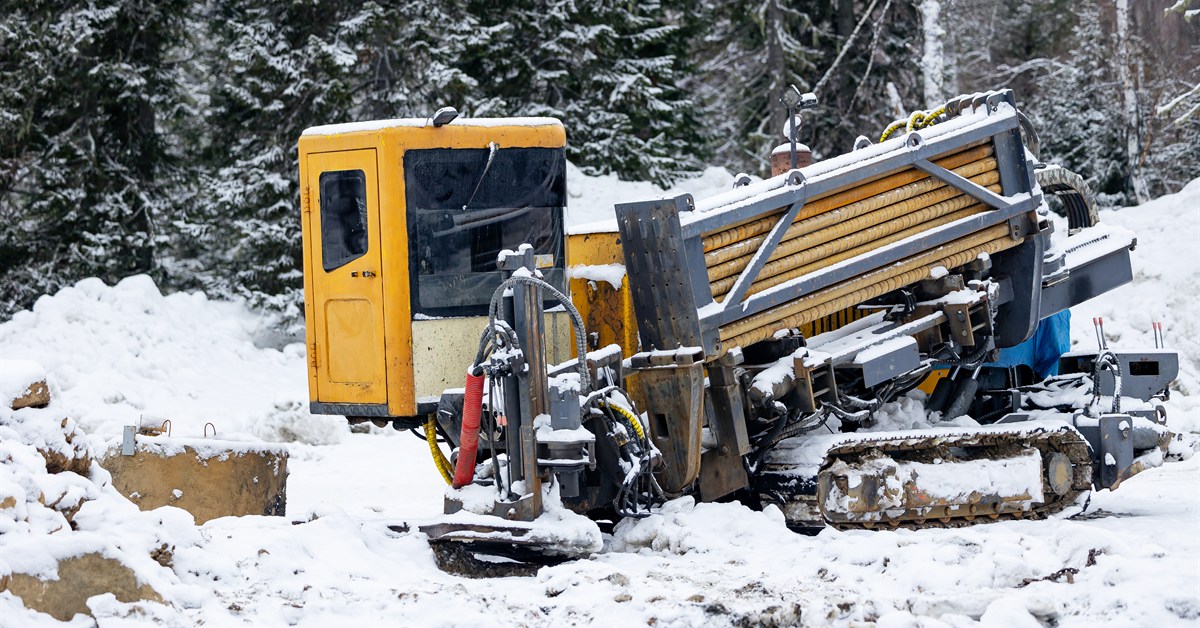
Equipment problems become especially serious when they affect the promises you make to customers. Frequent schedule changes can force you to rearrange crews or postpone upcoming work. Even when your team eventually completes the installation, delays can strain relationships and reduce the flexibility needed to accept new projects. Reliable equipment supports dependable service, particularly when several jobs depend on the same drill.
Track how often equipment issues change your schedule and how those changes affect project delivery. If breakdowns repeatedly create conflicts, consider whether a replacement could reduce that exposure. You should still evaluate maintenance history and machine condition carefully before purchasing another drill. Upgrading works best when it addresses a documented operational problem rather than responding to one frustrating day.
Recognizing the signs your directional drilling equipment needs an upgrade gives you a starting point for evaluating your next investment. Focus on reliability and the demands of your upcoming projects rather than equipment age alone. MTI Equipment offers a variety of used directional boring machines for contractors seeking equipment that fits their work. Browse available machines and contact the MTI Equipment team to discuss options that align with your drilling requirements and budget.
SHARE
Got a question? Our support team will go the extra mile so you can have an easy and enjoyable experience with MTI.
Contact Us© 2026, MTI Equipment - All Rights Reserved.