August, 2026
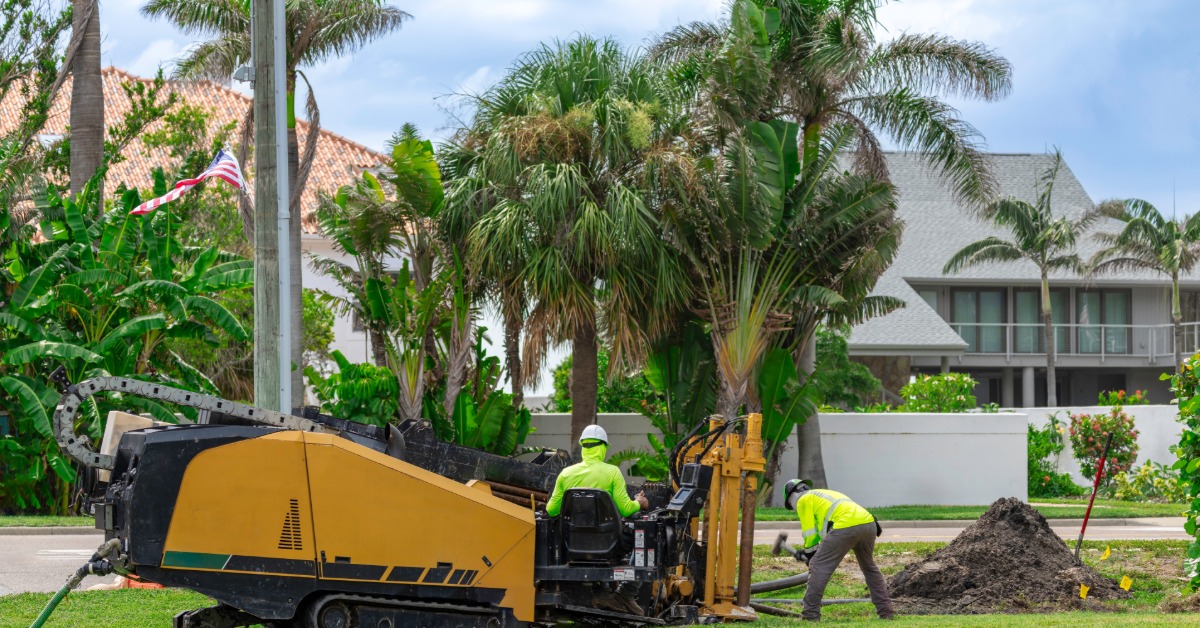
Knowing the things to do before and after a directional drilling job helps contractors reduce downtime while protecting equipment and improving productivity. Every job site presents different conditions, so taking time to prepare before drilling begins creates a stronger foundation for efficient work.
Careful planning allows operators to identify potential challenges early, keep projects on schedule, and maintain consistent performance from start to finish. A disciplined approach before the first drill rod enters the ground often makes the difference between a smooth operation and an avoidable setback.
Every project should begin with a complete review of the work requirements. Contractors need to understand the planned bore path, required installation depth, total drilling distance, and the purpose of the installation before equipment reaches the site. Reviewing project documents allows operators to anticipate challenges and select the proper tooling for the conditions they expect to encounter.
Communication between everyone involved also contributes to a successful operation. Project managers, drill operators, and support crews should discuss schedules, responsibilities, and expectations before work starts. When every team member understands the plan, they can coordinate their efforts more effectively and respond quickly if conditions change during the project.
Confirming access to the job site also deserves attention. Equipment transportation, staging areas, and material placement should all support efficient movement throughout the workday. Addressing these details before drilling begins helps eliminate unnecessary delays once operations are underway.
A careful site inspection provides valuable information that contractors cannot always identify from project drawings alone. Walking the work area allows crews to evaluate terrain, locate potential obstacles, and verify that the planned drilling path remains practical under existing conditions. Surface features, traffic patterns, and nearby structures all influence equipment position.
Underground utilities require special consideration before drilling begins. Contractors should verify utility locations through the proper procedures and confirm that the planned bore path avoids existing infrastructure. Protecting buried utilities helps prevent costly repairs while supporting a safer work environment for everyone on site.
Ground conditions also affect drilling performance. Soil composition, moisture levels, and changes in terrain can influence steering, drilling fluid performance, and overall productivity. Evaluating these factors before drilling allows operators to make informed decisions about equipment setup and drilling techniques.
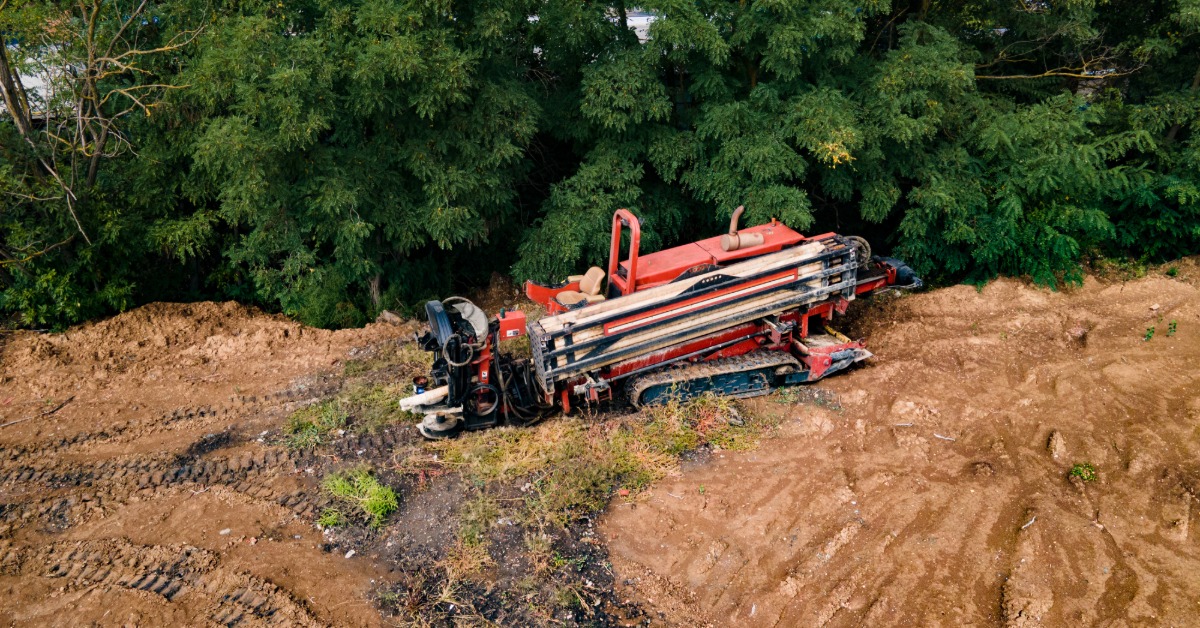
Reliable equipment begins with consistent inspections. Before starting any drilling project, operators should examine the horizontal directional drilling machine carefully to verify that every major system functions correctly. Hydraulic components, electrical systems, fluid levels, and safety features all deserve close attention before the machine begins operating.
Drill rods and tooling should also receive a detailed inspection. Worn threads, damaged connections, or excessive wear can reduce efficiency and increase the risk of mechanical problems during the bore. Replacing questionable components before drilling begins often saves valuable time later in the project.
Operators should also confirm that tracking systems, controls, and guidance equipment operate accurately. Precise steering depends on properly functioning equipment, and even small mechanical issues can affect bore accuracy. Investing time in inspections helps improve reliability throughout the entire job.
Proper drilling fluid supports successful boring operations by stabilizing the bore path and helping remove cuttings efficiently. Before work begins, contractors should verify that sufficient drilling fluid materials remain available for the entire project. Mixing the fluid according to anticipated ground conditions supports consistent drilling performance while reducing unnecessary interruptions.
Supporting supplies also contribute to job efficiency. Replacement tooling, maintenance materials, fuel, lubricants, and cleaning supplies should all remain readily available throughout the workday. Keeping these resources nearby allows crews to address routine needs without delaying production.
Preparation also includes confirming that transportation vehicles carry the equipment required for routine maintenance. Having the right tools available makes it easier to respond quickly if adjustments become necessary during drilling.
Even the most dependable equipment performs best when operated by a prepared crew. Holding a pre-job meeting allows supervisors to review project objectives, discuss safety procedures, and answer questions before drilling begins. These conversations encourage consistent communication throughout the project.
Every crew member should understand individual responsibilities before equipment starts operating. Clear expectations improve coordination while reducing confusion during critical stages of the job. When everyone understands their role, the project often progresses more efficiently.
Crews should also confirm that personal protective equipment remains in good condition and appropriate for the work environment. Small preparation steps support safer operations while helping workers stay focused throughout the project.
Preparation continues after drilling begins. Operators should monitor machine performance continuously while watching for changes in steering response, drilling fluid circulation, and equipment operation. Identifying small issues early often prevents larger problems that could interrupt production.
Communication between crew members remains equally important throughout the drilling process. Conditions underground can change unexpectedly, making it essential for operators and support personnel to share information as work progresses. Timely communication allows crews to adjust quickly while maintaining project quality.
Operators should also pay attention to drilling progress compared with the original project plan. Monitoring production throughout the job helps identify opportunities to improve efficiency without sacrificing accuracy or equipment performance.
After completing the bore, inspect the drilling machine before transporting it to the next project. Cleaning away soil and drilling residue makes it easier to identify leaks, worn components, or damage that requires attention. Prompt repairs help prevent small issues from developing into larger maintenance concerns.
Drill rods, tooling, and support equipment should also receive careful inspection after every completed project. Recording maintenance observations creates a valuable service history while helping technicians schedule repairs before reliability declines. Consistent maintenance supports dependable performance over the long term.
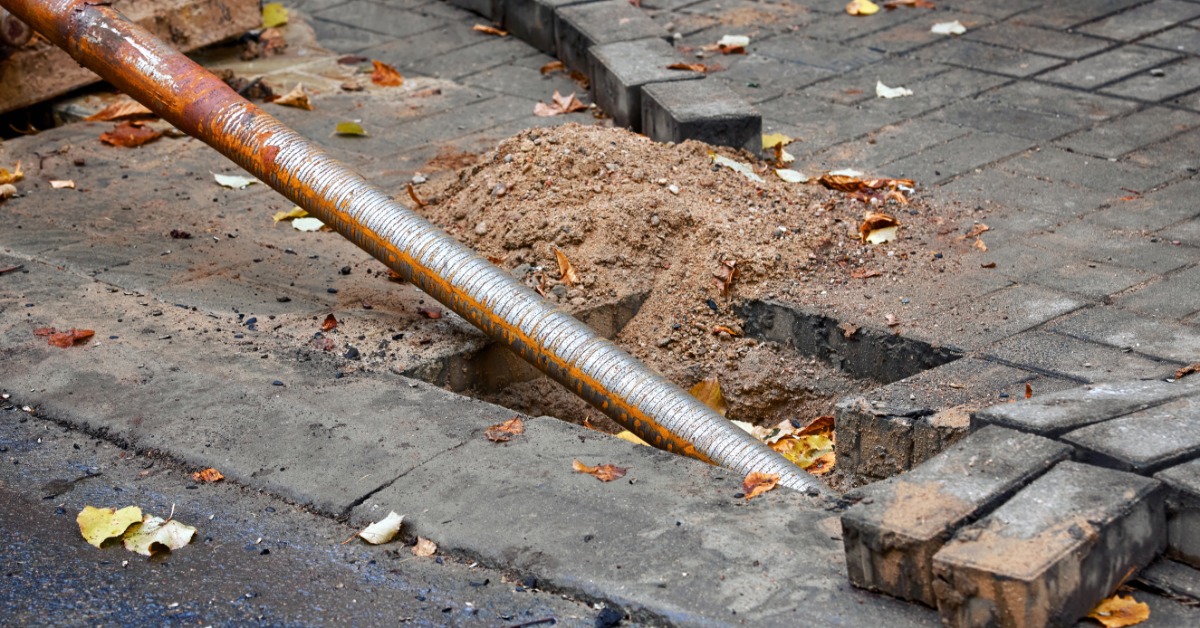
Every completed project offers valuable lessons for future work. Meeting with the crew after the job allows everyone to discuss operational successes and identify opportunities for improvement. Open conversations encourage better decision-making while strengthening teamwork on future projects.
Complete project documentation while details remain fresh. Recording equipment performance, maintenance completed, and notable site conditions provides useful information for future planning. Accurate records help contractors prepare more effectively for similar projects while supporting consistent operational standards.
Reviewing overall project performance also allows managers to evaluate scheduling, equipment utilization, and operational efficiency. Continuous improvement begins with honest evaluation after every completed job.
Proper storage and maintenance prepare equipment for future work. Clean machines thoroughly before placing them into storage, replenish fluids as needed, and complete scheduled maintenance promptly. Contractors who care for equipment immediately after every project often spend less time preparing for the next assignment.
Routine inspections should continue even when machines remain idle. Preventive maintenance protects equipment reliability while extending service life. Consistent attention keeps valuable drilling equipment ready whenever the next project begins.
Understanding the things to do before and after a directional drilling job helps contractors improve efficiency, protect valuable equipment, and complete projects with greater confidence. Careful preparation before drilling begins, combined with thorough inspections and maintenance after every completed bore, supports reliable performance on future job sites while reducing unnecessary downtime. Contractors who follow consistent operational practices place themselves in a stronger position to deliver dependable results for every customer.
MTI Equipment has horizontal directional drilling machines that help contractors tackle demanding applications with reliable performance. We make it easy to prepare for each project and keep equipment working efficiently over the long term. Contact us to learn how our preowned directional drills can enhance your operations.
SHARE
Got a question? Our support team will go the extra mile so you can have an easy and enjoyable experience with MTI.
Contact Us© 2026, MTI Equipment - All Rights Reserved.