June, 2026
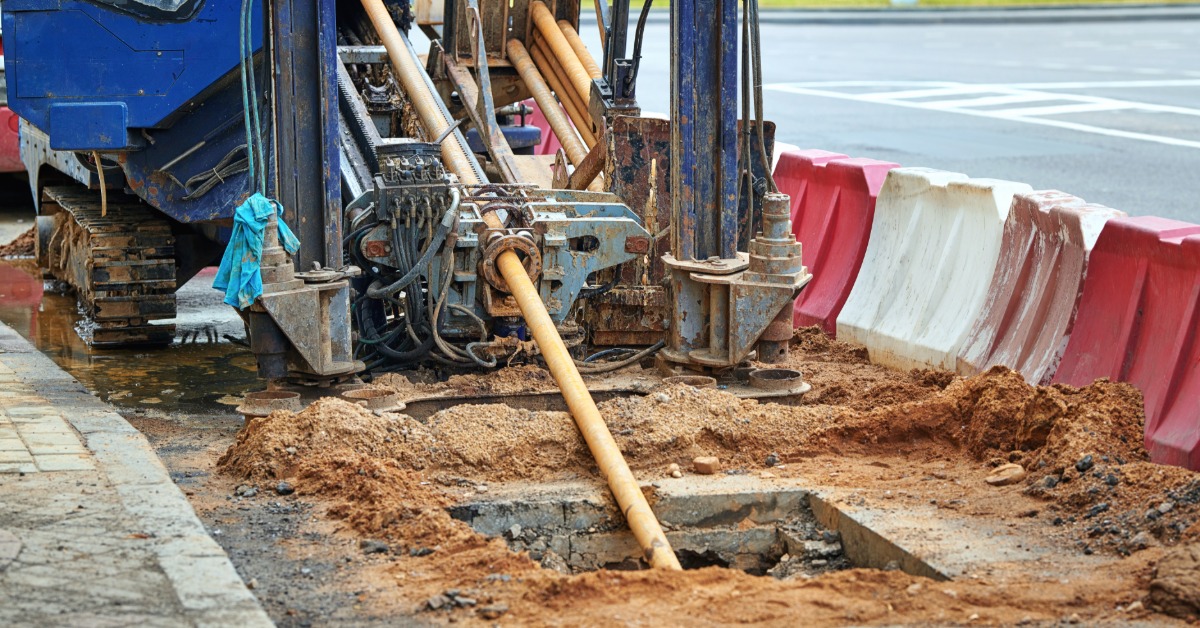
Horizontal directional drilling gives contractors a practical way to install underground lines with less surface disruption. The method helps crews work under roads, rivers, landscaped areas, and developed sites without opening long trenches.
A successful bore starts long before the drill enters the ground. Crews need clear information, strong communication, and the right equipment for the jobsite. When teams understand the risks ahead of time, they can make better decisions throughout the project. That preparation plays a major role in overcoming the challenges of horizontal directional drilling.
Every HDD project should begin with a careful site assessment. Before crews bring equipment to the jobsite, they need to review the entry and exit points and the available workspace. This helps them determine whether the drill rig can be positioned correctly and whether the crew will have enough room for pullback.
The assessment should also look at how ground conditions may affect the bore. Soil that shifts from soft to compact can change how the drill responds, potentially affecting speed and steering control. When crews identify those concerns early, they can adjust the plan before equipment reaches the site and avoid delays that become harder to fix later.
Utility conflicts create some of the most serious risks on an HDD project because crews work below the surface with limited visibility. Before drilling begins, the team needs to confirm the locations of existing lines along the planned route. Old utility maps can help with early planning, but crews should not treat them as the final source because previous repairs or site changes may not appear on the record.
The crew should compare available utility information with onsite markings and review any area where the bore path comes close to an existing line. When the route moves through a higher-risk section, daylighting can expose the utility and confirm its exact location. This gives the operator better information before the drill advances and helps reduce the chance of damage that can stop the job.
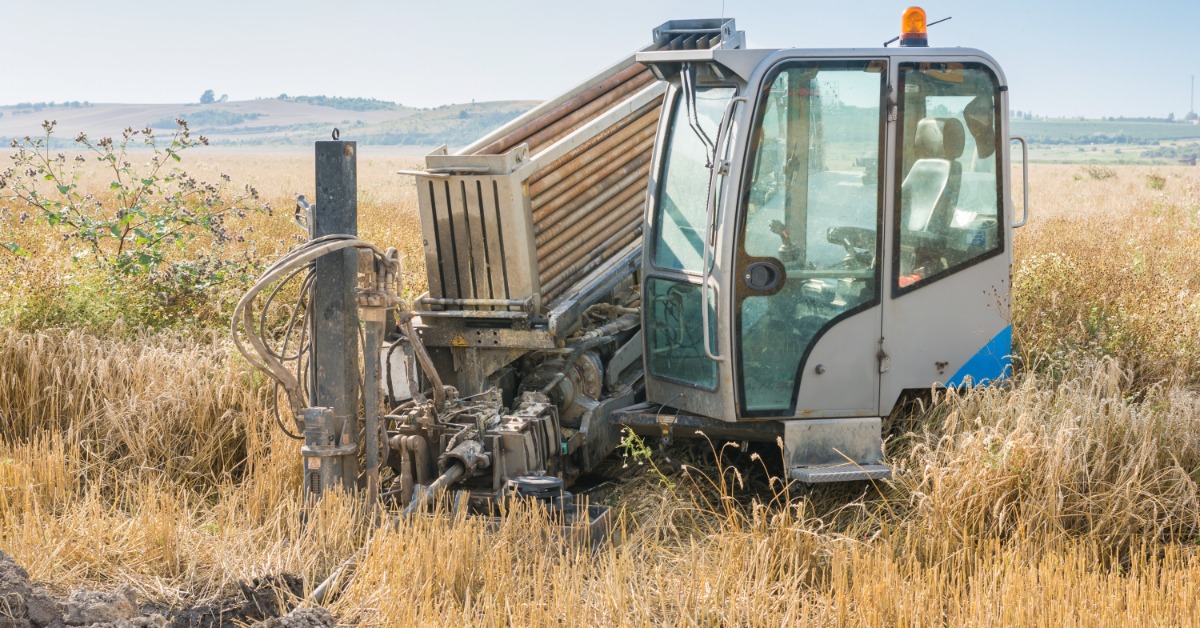
You can also overcome horizontal directional drilling challenges by planning the right bore path. A well-planned route gives the crew better control from the entry to the exit. It also helps reduce strain on the equipment during drilling and pullback.
The bore path should fit the job site instead of forcing the crew to work against it. Sharp angles can make steering harder and increase pressure on the drill string. Before work begins, the team should confirm that the exit area provides them with enough space to complete the installation safely.
The right choice of equipment affects the entire project. Before drilling starts, the crew should compare the planned bore length with the soil resistance they expect underground. A rig that lacks sufficient power can slow progress and cause unnecessary wear, while oversized equipment can increase costs without improving results.
Tooling also needs to fit the ground. Softer soil may require a setup that helps the crew maintain control, while harder ground may require stronger cutting ability. When the crew chooses equipment based on the actual site conditions, the bore can move more smoothly, and the team can respond faster when resistance changes.
An inadvertent return occurs when drilling fluid escapes to the surface in an unplanned location. This often happens when pressure builds in the ground and finds a weak path upward. Crews can reduce the risk by using steady pressure control and paying close attention to how the ground responds during drilling.
The team should also have a response plan before work begins. Each crew member needs to know what to do if fluid appears outside the planned entry or exit area. A fast response helps limit site disruption and gives the crew a safer way to correct the issue before drilling continues.
HDD work depends on clear communication between the operator and the locator because every adjustment affects the bore path. The locator should share depth and position updates consistently so the operator can make controlled corrections as the drill advances. This steady exchange helps the crew stay aligned with the planned route instead of reacting after the drill has already moved off course.
Strong communication also helps the crew respond faster when conditions change underground. If the locator detects a shift in direction or depth, the operator needs that information immediately to avoid larger corrections later. When everyone uses the same signals and confirms key updates, the crew reduces the risk of steering errors, utility conflicts, and missed exit points.
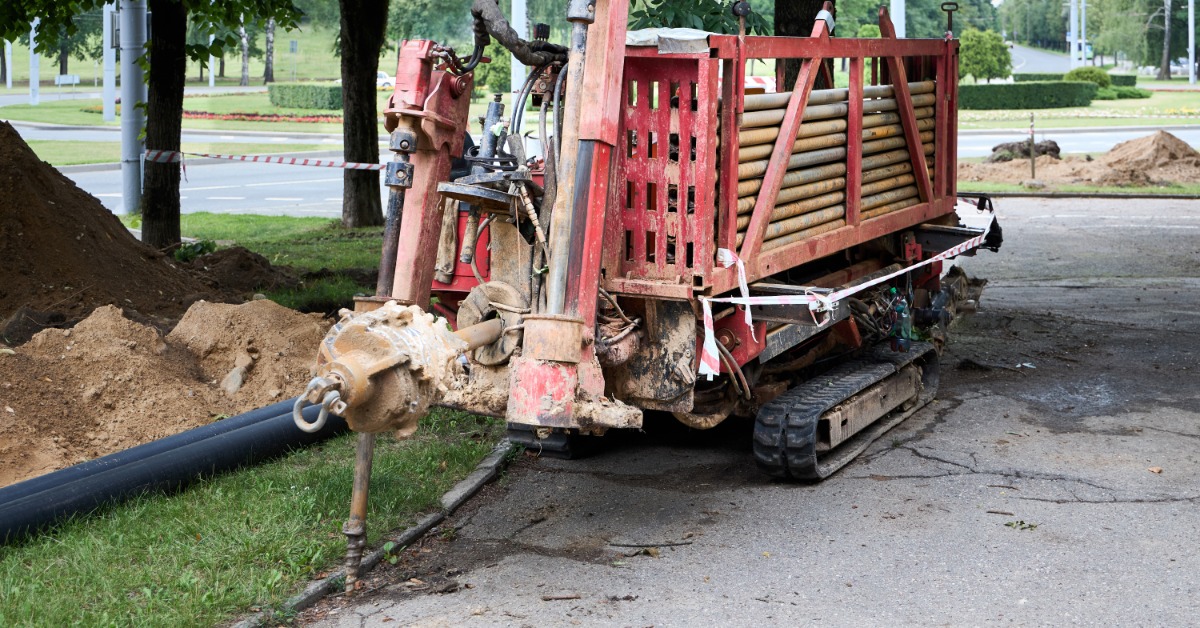
Crews should pay attention to changes during the bore. A sudden change in pressure can signal a problem below the surface. Slow progress may also show that the drill has reached harder ground than expected.
These warning signs matter because small issues can grow quickly during HDD work. The crew should stop and review the situation when the drill stops responding as expected. A short pause can prevent a larger setback later.
Crews should stay alert for signs:
Some HDD challenges require more than standard equipment. Complicated projects need a team that understands how to evaluate the site and build a realistic plan before drilling begins. An experienced HDD partner can identify concerns early and help the crew avoid decisions that create problems later.
A qualified partner also helps clients understand what the project may involve before work starts. That guidance makes it easier to prepare the site and set realistic expectations for the bore. When the crew understands the conditions and communicates clearly with the client, the project is more likely to stay on track.
Horizontal directional drilling can solve difficult underground installation problems, but every project needs careful planning. Crews must understand the ground, verify the route, and respond quickly when warning signs appear.
MTI Equipment provides directional boring machines that enable crews to tackle HDD projects with the power, control, and reliability required for challenging underground work. Our equipment options can support contractors who need reliable machines for utility installation, infrastructure work, and trenchless construction. Choose equipment that helps your crew work with confidence from the first bore to the final pullback.
SHARE
Got a question? Our support team will go the extra mile so you can have an easy and enjoyable experience with MTI.
Contact Us© 2026, MTI Equipment - All Rights Reserved.