February, 2026
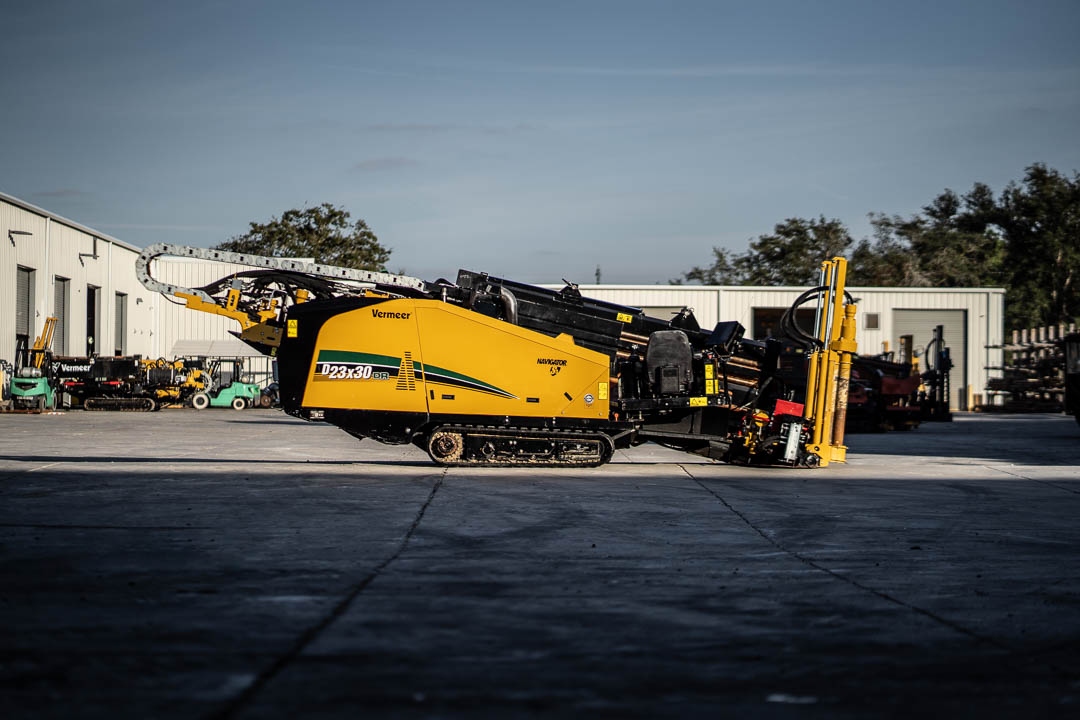
Startup contractors face a high-stakes choice when equipment is involved. A purchase decision shapes cash flow, uptime, and growth for years to come. The wrong call creates debt strain, schedule slips, or missed bids. The right call supports margins and momentum. This breakdown compares used and new equipment, focusing on budget, risk, and operational realities to help you decide what’s best for your start-up.
For startups, purchasing used heavy equipment offers several key advantages that support early-stage growth and financial stability.
Lower purchase prices keep cash inside the business so you can use it for payroll, insurance, fuel, and other business assets. When you have lower initial costs for equipment, it’s easier to finance, reducing the risk of having high interest rates if you need to take out a loan.
Since used equipment has lower upfront costs, it’s often a perfect choice for start-ups with limited funding or those that need various machines. This also allows startups to spread their budget across multiple pieces of equipment or other critical areas of the business, improving overall operational flexibility.
Most heavy equipment depreciates the fastest in the first few years because it racks up the most hours. That means the depreciation on a machine is front-loaded, leaving less to take in later years.
Moreover, since the value stabilizes after the original owner absorbs the early decline, resale options improve. Startups can pivot, upgrade, or sell without taking heavy losses, allowing them to adjust to market needs or growth opportunities with minimal financial impact.
Lower purchase prices mean equipment pays for itself quickly. Startups can recover costs faster, helping projects start generating revenue without long payback periods.
Early ROI also reduces risk. If a project underperforms, the business has less capital tied up in a single asset. Used equipment enables startups to reinvest savings into operations, staffing, or new contracts, accelerating growth.
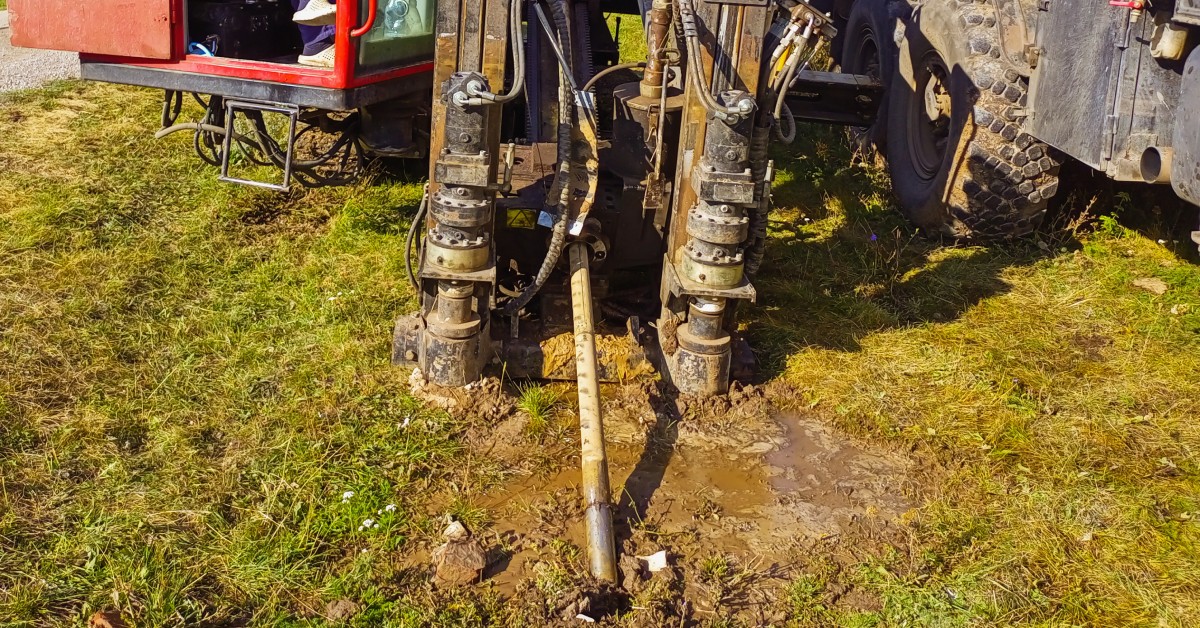
Used markets allow startups to afford higher-tier models that are often cost-prohibitive when purchased new. This opens opportunities for larger or more demanding projects.
By accessing more capable machines at lower prices, startups can compete with established companies, take on a wider variety of contracts, and grow faster. Using well-maintained used equipment can bridge the gap between budget limitations and operational ambitions.
While used equipment offers a strong value proposition, some companies also consider buying new machines, as many assume new is best.
New machines deliver reliable uptime under strict schedules. Fresh components, clean hydraulics, and factory tolerances ensure consistent production, reducing unexpected downtime. Project managers juggling penalties, tight deadlines, and high-profile clients rely on this consistency to protect contracts.
New units come with factory warranties covering major components for the first few years, reducing unexpected expenses. Planned maintenance schedules are straightforward, and parts availability is generally covered by the warranty, minimizing operational disruptions.
This allows crews to spend more time on project execution rather than troubleshooting intermittent faults. Startups benefit from the peace of mind that comes with predictable maintenance and fewer unexpected repair costs.
Manufacturers and lenders often provide favorable financing for new equipment, including longer terms, lower interest rates, or structured leases aligned with projected revenue.
For startups that need predictable cash flow, these financing options make high-cost machinery manageable without jeopardizing other parts of the business. They allow startups to access high-quality machines without tying up all available capital.
New models include advanced fuel systems, telematics, safety sensors, improved cabs, and emissions compliance. Features such as auto-idle, fuel maps, camera systems, and object detection reduce operating costs and enhance job-site safety.
For startups, these technological upgrades translate into tangible operational benefits, including:
By leveraging these features, startups can operate more efficiently, maintain a safer job site, and position themselves competitively in markets that demand modern, environmentally compliant equipment.
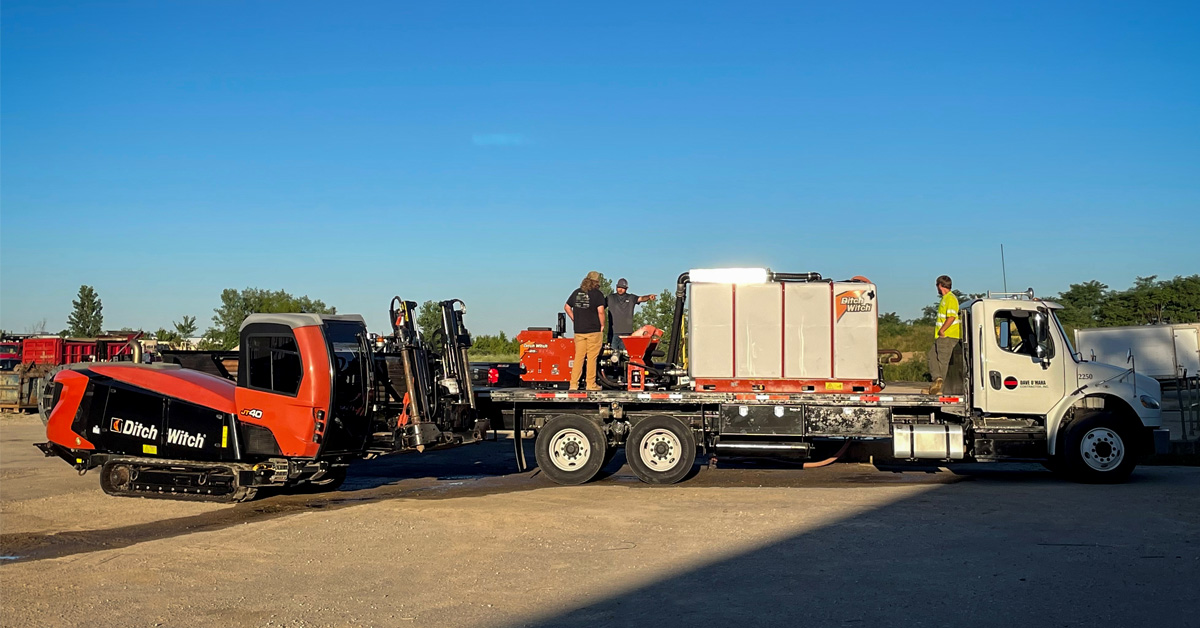
When choosing between used and new heavy equipment for your startup, closely evaluate all the details. Making the right choice can have a lasting impact on cash flow, project delivery, and long-term growth. Here are four key considerations for startups navigating this decision.
Take an honest look at your available capital to understand what you can currently afford without making major sacrifices. As a startup, you may have less cash available than a well-established company.
Generally, used machines cost less than new ones. Most of their depreciation has already occurred, meaning there’s less to lose financially if you buy a refurbished machine.
Compare used and new machines based on your operational needs and evaluate different brands and models to ensure you select the best option. Examine factors such as reliability, maintenance history, and potential resale value. Consider how different options align with the types of projects you plan to take on.
A careful evaluation can reveal opportunities to maximize capability within your budget, whether that means a well-maintained used model or a new piece of equipment with warranties and the latest technology.
Project demands often dictate equipment needs. Consider contract timelines and client expectations. If uptime is critical and delays would result in penalties or reputational risk, new equipment might make sense.
Purchasing from reputable dealers ensures the equipment has been inspected, refurbished, and serviced, giving startups confidence that it will operate reliably on-site. Used equipment allows startups to access capable machines that get the job done while keeping costs under control.
Used equipment can be an excellent investment for startups, but the quality of the purchase depends heavily on the seller. Buying from a reputable manufacturer or certified dealer ensures that the machine has been properly inspected, refurbished, and maintained. This reduces the risk of hidden mechanical issues or missed maintenance that can arise with equipment sold as-is by private sellers.
Working with a trusted company also provides access to service records, limited warranties, and support for parts replacement. For startups, this means they can enjoy the cost savings of used equipment while still gaining the reliability, performance, and confidence that come with a new purchase. It helps keep projects on schedule and budgets under control.
By carefully considering budget, options, and project requirements, startups can make more informed decisions. The goal is to choose equipment that enables growth, keeps projects on track, and positions the business for long-term success.
MTI Equipment offers high-quality used directional boring machines that give startups and contractors access to reliable, powerful equipment at a fraction of the cost of new machines. We carefully inspect and maintain every machine in our shop, ensuring it performs like new. Contact our team if you have questions about any of our equipment or would like to get a quote for a machine.
SHARE
Got a question? Our support team will go the extra mile so you can have an easy and enjoyable experience with MTI.
Contact Us© 2026, MTI Equipment - All Rights Reserved.