January, 2026

Construction projects can be unpredictable. Delays, inspections, change orders, and unforeseen complications can all squeeze cash flow and create headaches for contractors. Retainage (the practice of withholding a portion of each progress payment until project completion) affects almost every contractor. While it gives owners leverage to ensure quality and closeout, it can also strain working capital and delay final payment.
This guide to understanding retainage and protecting your business breaks down the rules, risks, and steps to protect your margins. You will learn about contract language, legal rights, documentation, and release strategies.
Retainage is a contractually defined amount that an owner or upper-tier contractor withholds from progress payments. Many contracts set retainage at 5–10 percent of the approved work, but rates vary by project type, market conditions, and bargaining power.
General contractors often retain a portion of subcontractors' payments as well. The chain of withholding creates exposure at multiple tiers. Contracts and state statutes govern the specifics. Your contract controls the day-to-day mechanics, while statutes set the outer limits and deadlines that override conflicting terms in many jurisdictions.
Project owners use retainage to secure completion, punch list work, and final documentation. The holdback gives owners leverage until the work meets the contract and the team closes every open item.
Retainage ensures that every dollar paid on a project is accounted for and properly applied. Owners often require proof that contractors paid subcontractors and suppliers, linking retainage release to lien waivers and verified payment status. By tying retainage to both performance and proper payment, owners protect the project while encouraging contractors to meet their agreed obligations.
Cash flow pressure is often the first significant challenge contractors face. Retained funds reduce working capital during heavy procurement phases when crews still need payroll, fuel, rentals, and materials.
Delays in timing create further complications. Owners may defer substantial completion, extend inspections, or request additional documentation. Likewise, gaps in contracts can make the situation worse. Vague or poorly defined retainage terms allow room for unilateral decisions and slow communications.

Understanding the challenges of retainage sets you up in the best position to protect your business. After all, developing a clear, actionable playbook can help your business avoid costly surprises. Focus on the following core aspects to manage your risk effectively.
Clear, specific contract language protects your business long before the first invoice goes out. Define the retainage percentage, any step-downs, and the exact release schedule so every worker follows the same rules.
Additionally, tie each release to objective milestones, such as substantial completion or punch-list acceptance, to remove subjective interpretation. If statutes allow it, include interest charges and firm deadlines so payment delays carry real consequences.
By making your retainage terms clear and enforceable, you reduce ambiguity and create predictable expectations for all parties. This clarity not only protects your cash flow but also strengthens your position in the event of disputes. Well-defined terms leave less room for delays and ensure that your business can operate smoothly throughout the project.
Lien rights provide powerful leverage when retainage sits longer than it should. Protect these rights by tracking every required notice, filing deadline, and statutory timeframe from the start of the project. Moreover, internal reminders or project management software can help ensure you don’t miss critical dates or deadlines.
On public projects, payment and performance bonds can substitute for lien rights and offer another path to recover unpaid retainage. These bonds create structure and add pressure, which often accelerates stalled payments.
Consistent documentation removes many of the excuses owners and general contractors use to delay retainage release. Keep centralized records of daily production, material deliveries, change orders, inspections, and approvals to ensure your pay applications align precisely with the work completed. Complete and organized backup makes it harder for reviewers to justify delays.
To keep airtight documentation, focus on:
This discipline strengthens your position when payments are delayed, reduces back-and-forth interactions, and provides the proof you need to escalate lingering retainage.
Escrow arrangements reduce financial risk on large or long-duration projects. When a neutral third party holds retainage, you avoid the uncertainty of relying on an owner or GC’s internal processes or cash flow. These agreements outline the release triggers and the required documentation, creating transparency from the start.
Escrow arrangements give you predictable access to funds once the project reaches substantial completion or other milestones. They keep retainage from being repurposed or tied up in unrelated disputes, giving you a clearer, more reliable financial path. This structure strengthens trust, improves visibility, and supports better cash planning throughout the project.
Negotiating early in the contracting process can transform the way retainage affects your project. Leverage your performance history, reliable documentation, and disciplined schedule to request lower retainage or step-downs at key milestones. Many owners agree to partial releases at major completion points or when punch-list items are accepted, since project risk decreases significantly at these stages.
If an owner resists changes, offer additional value, such as enhanced reporting or tighter schedule commitments, in exchange for improved terms. This proactive approach allows you to secure conditions that reduce cash stress and maintain project stability.
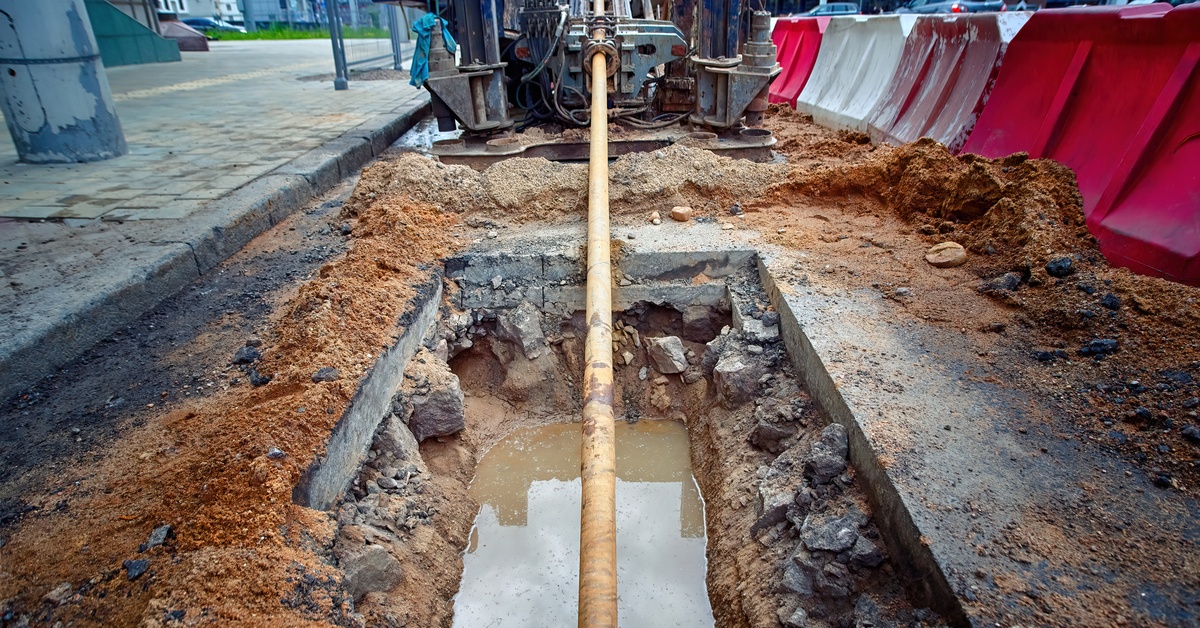
In horizontal directional drilling, your equipment drives both project performance and cash flow. Well-maintained, reliable horizontal directional drill improves precision, efficiency, and consistency, reducing the risk of delays that can hold up retainage.
Consistent equipment performance helps crews meet milestones, complete bore paths accurately, and submit documentation on time, all of which support the timely release of retained funds. On the other hand, equipment downtime or malfunctions can slow progress, lead to rework, and complicate payroll applications.
Moreover, investing in high-quality HDD machines, properly maintaining them, and planning for contingencies protects your schedule and financial stability. In HDD projects, equipment is essential not only for project success but also for protecting the funds you have earned.
Retainage affects project outcomes and business stability. You face real cash exposure when owners retain a fixed percentage of payments for months of work. Clear contracts, disciplined documentation, strong lien rights, and steady negotiation reduce that exposure.
Upgrade your HDD projects with certified, refurbished equipment made by trusted brands like Vermeer, Ditch Witch, and American Augers. Our machines help you navigate obstacles, protect existing infrastructure, and complete jobs faster and more efficiently. Browse MTI Equipment’s inventory today and find the right drill to keep your projects on schedule and within budget.
SHARE
Got a question? Our support team will go the extra mile so you can have an easy and enjoyable experience with MTI.
Contact Us© 2026, MTI Equipment - All Rights Reserved.