January, 2026

Acquiring heavy equipment is a primary expense for drilling contractors in telecommunications, utilities, and infrastructure. Traditional financing often entails substantial debt, which can strain a company’s financial health and limit its agility. However, several alternative strategies enable businesses to access the necessary machinery without incurring long-term financial burdens. Here are several ways to finance heavy equipment without taking on debt.
An operating lease allows a business to use equipment for a set period without owning it. This arrangement is different from a finance lease, where the intention is eventual ownership. With an operating lease, you pay a fixed monthly fee to use the machinery, and at the end of the term, you can return it, renew the lease, or upgrade to a newer model.
Leasing lowers monthly costs because you're paying for the equipment’s value just during the lease period rather than covering the full cost of ownership. This keeps long-term debt off your balance sheet, thereby improving your company’s financial ratios. Leasing also provides an easy pathway to upgrade equipment, giving contractors access to the latest technology without the high cost of purchasing new models outright.
By partnering with venture capitalists or private investors, you can gain the necessary funding in exchange for equity or a share of future profits. This approach not only funds large equipment purchases but also shares the financial risk with investors. Also, unlike loans, these partnerships often bring expertise, industry connections, and strategic guidance to help your business succeed.
Finding the right partners and setting clear agreements is key to success. Ensure your goals align with your investors and present a solid business plan detailing how the equipment will deliver returns. Clearly defined roles, responsibilities, and exit strategies protect all parties and lay the groundwork for a productive collaboration.
Equipment sharing co-ops involve a group of businesses that collectively own and use a pool of machinery. Members contribute to purchase and maintenance costs and share access to the equipment as needed. This model is particularly effective for small to mid-sized contractors, farmers, and other operations where individual ownership is not financially feasible.
By joining or forming a co-op, members can access a wide range of equipment without requiring any individual financing. The shared cost structure makes it an affordable alternative to traditional purchasing since you’re not the only one paying for it.
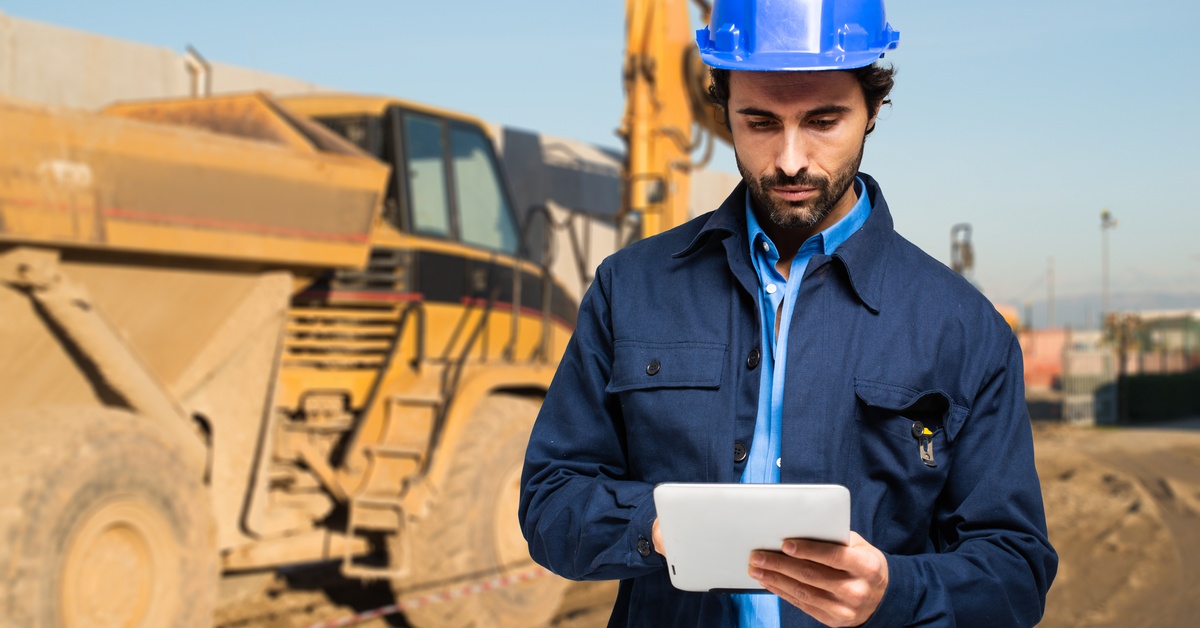
Another way to finance heavy equipment without taking on debt is to consider subscription services or pay-per-use options. With this service, you pay a flat rate or a usage-based fee to access machinery when you need it. Additionally, purchasing equipment this way often comes with maintenance, insurance, and logistics support, easing the operational responsibilities of ownership.
Moreover, subscription models provide cost predictability and scalability, allowing you to adjust your equipment access based on project demands. This approach eliminates the need for large capital expenditures and long-term financing contracts.
These options may not be ideal for heavy equipment you regularly use; it would cost more to rent it for each service than to buy it outright. Always calculate the total lifetime cost based on how long you’ll need the equipment.
A barter or service trade agreement is a creative solution where no money changes hands. Instead, you can exchange services, labor, or materials for access to equipment. For example, a contractor specializing in excavation could offer their services to an equipment owner in return for using a specific machine. Likewise, you could trade a piece of equipment you no longer use for something your business needs.
Bartering arrangements can be highly flexible and are particularly useful for small businesses with limited cash flow. It helps reduce idle time for the equipment owner while providing the user with the necessary machinery.
When bartering or trading equipment, make sure to draft a clear agreement that outlines the value and scope of the services being exchanged. This protects all parties and prevents disputes down the line.
In many regions, government agencies and nonprofit organizations offer subsidized access to equipment or community equipment pools to support local industries. Programs often target sectors like agriculture, forestry, utilities, and public works, providing essential machinery at low or no cost while eliminating the need for loans or large upfront purchases.
Contractors should proactively research local, state, and federal programs to determine their eligibility and maximize available resources. Participating in these programs not only reduces operating costs but also levels the playing field for small businesses, enabling them to compete more effectively.
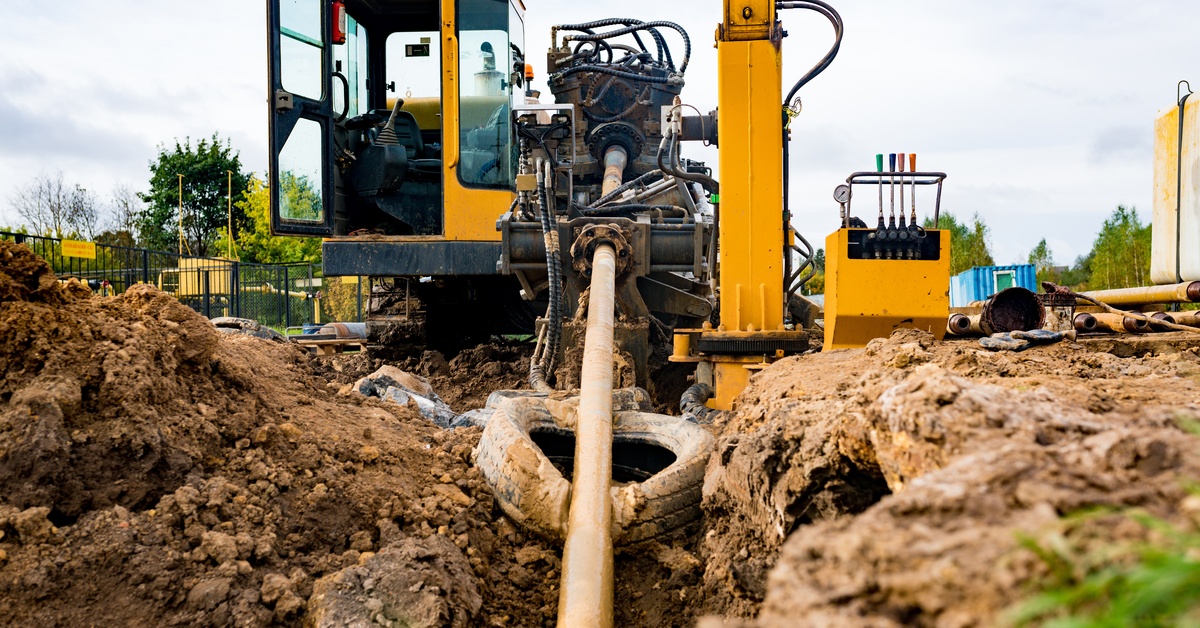
Purchasing refurbished equipment is a practical way to acquire machinery at a lower cost than new. These sellers professionally inspect, restore, and often provide warranty protection for their machines.
Moreover, buying refurbished equipment helps you avoid the risks of purchasing older machines from unverified private sellers. Since it’s refurbished rather than used, you can expect greater reliability, reduced downtime, and ongoing dealer support. This makes it a cost-effective, low-risk solution for businesses that need high-performing equipment without taking on debt.
Professionally restored equipment is more reliable than unverified machinery because it has undergone rigorous testing and quality control. For instance, refurbished horizontal directional drilling machines can deliver the same high performance as new units; an expert inspects, repairs, or replaces every component to meet manufacturer standards.
Many manufacturers and authorized dealers provide special offers designed to make acquisitions more affordable. These incentives are not loans but rather financial advantages that lower the barrier to entry for purchasing necessary machinery. By working directly with vendors, you can find flexible arrangements that suit your company's cash flow and operational needs.
These programs vary by manufacturer and dealer but often include valuable offers. Likewise, taking the time to ask about available incentives can unlock substantial financial benefits. The following are some common options:
By exploring these innovative financing strategies, businesses can acquire the heavy equipment they need without the burden of traditional debt. Each method offers unique advantages, allowing companies to maintain financial stability while staying competitive.
At MTI Equipment, we specialize in providing certified pre-owned horizontal directional drills and support equipment. Our rigorous quality control process ensures that every machine performs properly under real-world conditions. Equip your business with confidence and reliability.
SHARE
Got a question? Our support team will go the extra mile so you can have an easy and enjoyable experience with MTI.
Contact Us© 2026, MTI Equipment - All Rights Reserved.