January, 2026

Unexpected failures can bring a directional drilling project to a standstill, leaving crews idle and draining profit by the hour. These machines face continuous stress, so skipped maintenance quickly turns small issues into major breakdowns that disrupt timelines and strain client relationships.
Focusing on ways preventive maintenance will pay off for directional drilling machines strengthens reliability across the entire fleet. Consistent upkeep reduces surprise repairs, protects high-value components, and keeps job schedules on track. This proactive approach provides operators with the stability they need to complete every bore with confidence.
Preventive maintenance keeps your directional drill running for years longer by preventing minor problems from grinding your major components to a halt. HDD machines operate under heavy loads, heat, vibration, and abrasive drilling conditions, so parts such as the drill head, carriage motors, and thrust bearings endure constant wear. When you check these components routinely, keep them lubricated, and replace worn parts at the appropriate intervals, you slow wear and protect the larger systems they support.
Staying ahead of wear adds more productive hours to the machine’s life, stretching your investment over more years and lowering the cost of ownership on every job. For example, a $40 bearing, replaced on schedule, protects the motor shaft, gearbox, and carriage—components that can cost thousands to replace when they fail.
Unexpected mechanical failures instantly shut production down and send labor costs climbing while crews wait. A failed hydraulic line or motor can leave a product pipe stuck underground, causing costly delays for everyone involved.
Scheduled maintenance prevents those situations by catching weak hoses, worn seals, and other failure points during routine checks. Fixing these issues during planned downtime keeps the job moving and protects the schedule.
Consistency becomes a competitive advantage because clients trust teams that avoid preventable equipment delays; reliable machines signal strong planning and fewer surprises on their project.
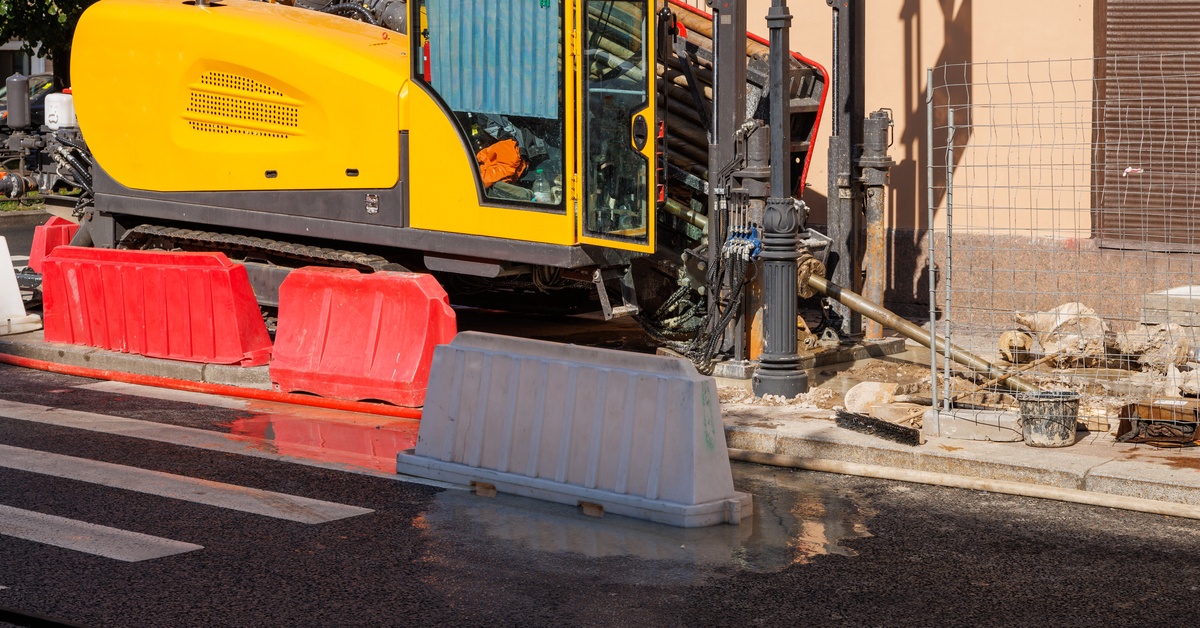
Small mechanical issues rarely stay localized. A loose-fitting or worn seal may seem minor today, but left unchecked, it can leak hydraulic fluid, overheat the system, and damage expensive components such as pumps or motors. However, preventive maintenance catches these problems early, when fixes are still simple.
Addressing issues during scheduled service also avoids emergency costs. Contractors save on rush parts, overtime labor, and unexpected downtime, keeping each job more profitable.
Catching minor issues early reduces repair expenses and protects the bottom line on every project.
Well-maintained machines operate more efficiently and precisely follow the intended bore path. Regular maintenance keeps tracking systems calibrated, bits sharp, and carriages smooth, so the rig responds instantly to operator input. Even slight wear on components such as the rod loader or carriage can introduce play, making precise steering more difficult.
Moreover, precision directly affects both safety and project quality. A machine operating at peak performance minimizes deviations that could lead to cross-bores, utility strikes, or costly re-drills. Reliable equipment also allows operators to work confidently, execute complex bore paths, and maintain consistent production rates, ensuring they meet client expectations.
Consistent maintenance improves bore accuracy, minimizes costly mistakes, and protects both project timelines and reputation.
Rigorous maintenance ensures that all safety systems, including emergency stop buttons, lockout/tagout points, and electrical interlocks, operate as designed. Workers rely on these systems to protect themselves and their crews in hazardous work environments. Worn electrical cables or fraying hydraulic lines can pose fire hazards or increase the risk of high-pressure fluid injection injuries if left unaddressed.
Furthermore, mechanical failures in steering, braking, or tracks can cause accidents during loading, unloading, or maneuvering. Regular inspections and timely repairs reduce these risks, protect workers, and maintain crew confidence. A machine in safe working order reflects a company’s commitment to its workforce and ensures compliance with safety regulations.
Consistent maintenance reduces workplace injuries, keeps crews safe, and supports regulatory compliance, protecting both people and projects.
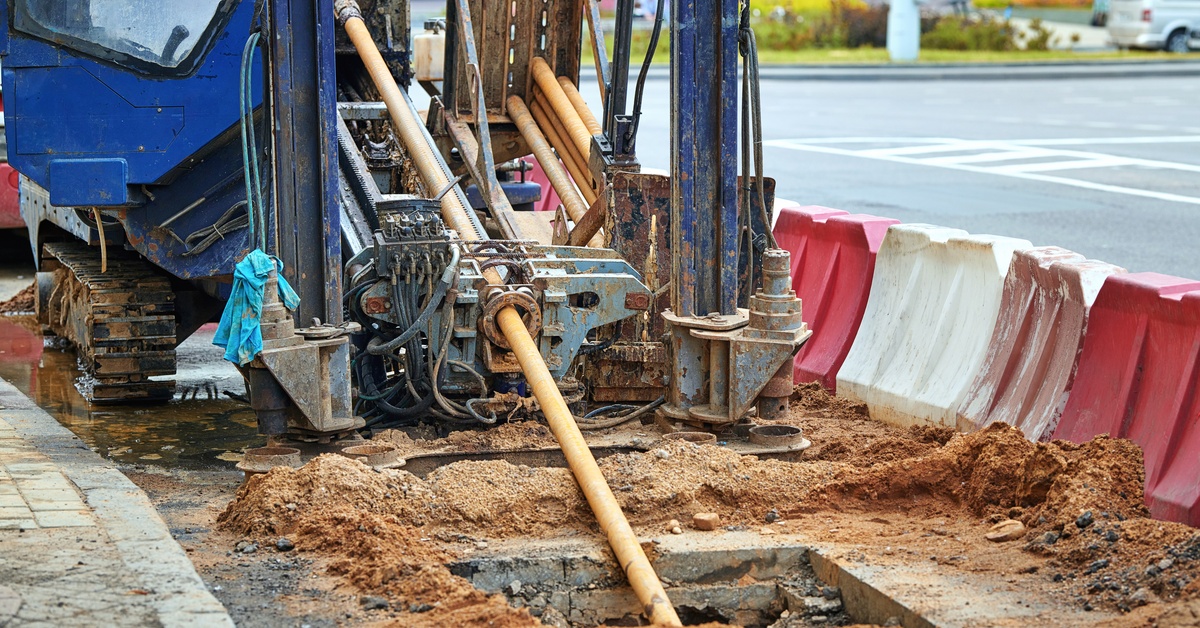
A comprehensive, documented maintenance history demonstrates to potential buyers that a machine has received professional care throughout its life. Buyers are often willing to pay a premium for equipment with verifiable service records because it reduces the risk of hidden problems.
Keeping detailed logs that document the condition of the engine, pumps, drill rack, and other high-value components gives buyers confidence in the machine’s reliability. These records reduce uncertainty and show that the team properly maintained the equipment throughout its life. Clear maintenance documentation also helps justify a higher resale or trade-in price by proving the machine’s value and minimizing perceived risk.
Consistent maintenance protects asset value, maximizes resale or trade-in returns, and reduces the total cost of fleet upgrades.
Meeting warranty and compliance requirements is another way preventive maintenance will pay off for directional drilling machines. Nearly all manufacturers condition their warranties on users following specific service schedules and using approved fluids and filters. If the owner fails to perform required maintenance, the manufacturer may deny any claims, leaving the owner responsible for costly repairs on a relatively new machine.
Certain regulations or municipal contracts also require documentation of equipment safety and environmental compliance. Machines that leak hydraulic fluid or emit excessive smoke due to poor maintenance can trigger fines or job-site shutdowns.
Staying on top of maintenance protects warranties, ensures regulatory compliance, and prevents costly interruptions or penalties on the job.
When a machine runs smoothly, the operator can focus on the bore path rather than fighting the equipment. Consistent thrust and rotation speeds enable faster drilling times and smoother product pullback. When the equipment works as expected, the crew establishes a rhythm that maximizes daily footage.
Efficient, reliable equipment boosts profitability by cutting labor costs, speeding project schedules, and enabling crews to perform at their best.
Drilling contractors who adopt a proactive mindset position themselves for long-term success in the utility industry. A reliable fleet opens the door to more bid opportunities and tighter scheduling.
MTI Equipment sells certified, refurbished cable plows and HDD equipment ideal for a range of industries. We strive to partner with all our customers to provide the machines they need, and you can also trade in or sell equipment to us. Prioritizing preventive maintenance ensures your directional drilling machines stay reliable, empowering your team to complete every project confidently.
SHARE
Got a question? Our support team will go the extra mile so you can have an easy and enjoyable experience with MTI.
Contact Us© 2026, MTI Equipment - All Rights Reserved.